
What Does a Roof or Siding Replacement Actually Cost in Willow Creek?
Real pricing from a roofing and James Hardie siding contractor whose owner lives in the neighborhood. No form to fill out for the basics. Just the information you need to make a clear-headed decision on your own terms.
7 Manufacturer Certifications
We recommend what fits, not what pays
Neighborhood-Based
Owner Eric lives in Willow Creek
Transparent Pricing
Published online, no form required
10-Year Workmanship Guarantee
We're not going anywhere
Filling out this form does not commit you to anything.
Here is what you are and are not signing up for when you reach out.
A pushy sales pitch.
Pressure to decide on the spot.
Surprise charges or "from" pricing games.
A free inspection and an honest conversation.
A clear scope and a written proposal.
Real prices, the same ones we publish online.
What Does a Roof Replacement Cost in Willow Creek?
Pricing depends on roof size, pitch, and material. The ranges below are real installed prices based on a typical 30-square roof (about 3,000 sq ft of roof area), which is in the ballpark for most Willow Creek homes.
| Material | Typical Price Range |
|---|---|
| Class 3 Impact-Resistant Asphalt | $21,585 – $27,990 |
| Class 4 Impact-Resistant Asphalt | $23,220 – $28,370 |
| Premium Class 4 Asphalt | $28,595 – $34,940 |
| Designer Asphalt | $32,700 – $49,790 |
| Stone-Coated Steel | $47,400 – $57,920 |
| Standing Seam Metal | $56,880 – $69,510 |
| Synthetic Composite | $48,200 – $92,890 |
These ranges move based on five factors: material type, roof size, slope and complexity, location, and code requirements. Willow Creek roofs tend to have moderate pitch and straightforward geometry, which keeps most projects toward the lower end of these ranges.
Class 4 impact-resistant matters more in Willow Creek than most homeowners realize.
Centennial and the south Denver metro sit in one of the most hail-prone corridors in the country. Class 4 impact-resistant shingles often qualify for meaningful homeowners insurance premium discounts, which can offset a real portion of the upgrade cost over time. We will tell you whether your specific carrier offers the discount.
Choosing the Right Material for a Willow Creek Roof
Willow Creek sees the same hail, UV, and temperature swings as the rest of south Denver metro. The right material affects how long your roof lasts and how it performs after a storm.
Not Sure? Schedule an InspectionThe most common choice for Colorado homes. Impact-resistant shingles are built to handle hail better than standard asphalt, and they hold up longer against UV exposure and temperature cycling. Class 4 is the highest impact rating and often qualifies for insurance premium discounts, which can offset a meaningful portion of the cost difference over time. For most Front Range homes, impact-resistant asphalt is the sweet spot between performance and cost.
One of the strongest options available, and often overlooked. Stone-coated steel is installed on a batten system, which creates an air gap between the roof deck and the panels. That air gap has real energy efficiency benefits because it reduces heat transfer through the roof assembly. The stone granules on the surface give it a more traditional look that blends well with most neighborhoods. It handles hail, UV, and temperature swings as well as anything on the market, and it lasts significantly longer than asphalt.
Standing seam is a long-term play. It lasts 40–60+ years, handles hail and UV exposure well, and requires minimal maintenance. The smooth surface also releases snow and ice quickly in winter. The tradeoff is the upfront cost, but when you factor in the lifespan and low maintenance, the cost per year of life is often competitive with asphalt.
Engineered to look like natural slate, cedar shake, clay tile, or barrel tile, but built to handle Colorado conditions. Lighter than real stone or clay, longer-lasting than wood, and designed to resist the UV and temperature cycling that breaks down natural materials. Premium price, but a long-term investment with very low maintenance.
For homeowners who want a distinctive architectural look without moving to metal or synthetic. Thicker profiles, richer textures, and a wider range of color options. These sit between standard impact-resistant and premium synthetic in both price and curb appeal.
What Does a James Hardie Siding Replacement Cost?
Most homes in Willow Creek were built in the 1970s with wood board and batten siding. After 50 years, wood siding rots, warps, and needs constant maintenance. James Hardie fiber cement looks like real wood, including the original board and batten profile, but lasts decades without the upkeep.
Per Siding Square
$18 – $22 per sq ft of exterior wall
Our baseline pricing for full James Hardie replacements in the Denver area, including Willow Creek. A "siding square" is 100 square feet of wall.
Typical Willow Creek Home
~2,500 sq ft of exterior wall area
A full James Hardie replacement on a typical Willow Creek home, including trim, flashing, and weather-resistant barrier integration installed to manufacturer specifications.
Pricing assumes full replacement using James Hardie products installed to manufacturer specifications. Final pricing depends on your home's actual wall area, trim package, and any repairs needed once the existing siding comes off.
Most homes in Willow Creek were built in the 1970s with wood board and batten siding. After 50 years of Colorado sun, snow, and hail, wood siding rots at the bottom, warps along the seams, and pulls away from the framing. Paint stops sticking, woodpeckers find soft spots, and the maintenance bill never really ends.
James Hardie is engineered for climates like Colorado. The fiber cement composition handles UV, hail, and the daily temperature swings that break down wood. It looks like real wood (including the original board and batten profile Willow Creek is known for), but it does not rot, does not warp, and does not need to be repainted every few years.
HardiePanel Vertical with batten strips gives you the same board and batten character the neighborhood was built around. You can keep the architectural identity of your home and upgrade to a material that will outlast you. Most neighbors will not even realize the siding was replaced until they get close enough to see the finish.
Pulling old siding is the only time a contractor can actually look at the sheathing, the weather-resistant barrier, the flashing, and the soffit framing. If there is rot, pest damage, or ventilation problems hiding behind the wood, this is when they get addressed. A siding project done right is a 30-year decision, not a cosmetic one.
Nine Out of Ten Colorado Attics Are Set Up Wrong
Ventilation is a two-stage system: intake at the soffits, exhaust at the ridge. When the balance is off, you get ice dams, mold, premature shingle failure, and hot or cold spots in the rooms below. This applies to both roofing and siding projects, since siding replacement is often where soffit ventilation problems get uncovered and fixed.
Extends Roof Life
Reduces trapped heat and moisture that deteriorate roofing materials from the inside out.
Prevents Condensation & Mold
In Willow Creek, where the daily temperature swing between a hot afternoon and a cold night can be significant, condensation can develop faster than most realize.
Stops Premature Failure
A roof that can’t breathe deteriorates from the inside out. You could have brand-new shingles and still face problems within years if ventilation isn’t right.
Energy Efficiency
Keeps your attic cooler in summer and drier in winter, so your HVAC works less. In Colorado, where you run heat and AC in meaningful amounts, this matters.
Common Ventilation Mistakes We See in Willow Creek
Insufficient intake
Many Willow Creek homes lack adequate soffit vents or have blocked intake because insulation was pushed too far toward the eaves when attics were re-insulated in the 80s and 90s.
Mismatched exhaust
Ridge vents, gable vents, or roof vents that don’t move enough air relative to intake, throwing off the balance.
Multiple attic sections treated as one
Split-level and tri-level layouts common in Willow Creek often have separate attic spaces that aren’t connected. Each one needs its own ventilation. Most contractors miss this.
Soffit damage hidden behind old siding
When the wood siding comes off for replacement, it often reveals soffit framing that has been quietly rotting for years. If the soffits cannot hold a vent properly, the ventilation plan needs to account for that.
Assuming old ventilation still works
Modern underlayment seals the roof deck much tighter than older products. A setup that worked under your 1970s roof may not be adequate under a new one. If the ventilation isn’t evaluated, moisture has nowhere to go.
How We Handle Ventilation (Two-Stage Design)
Planning (Intake at Soffits)
We calculate intake and exhaust requirements based on your attic square footage, roof geometry, and vent performance ratings. The math has to balance before the work starts.
On-Site Verification (Exhaust at Ridge)
Once work begins, the attic is physically inspected to confirm the layout, check for obstructions, and trace actual airflow paths. Adjustments are made based on what the house actually looks like.
Questions to Ask Any Contractor
Not every roofer or siding crew who shows up with a truck and a business card knows what they're doing. These questions work for both roofing and siding evaluations and they will surface a lot in a five minute conversation.
Schedule an InspectionAsk: "Is the ventilation design based on a calculation of my attic’s actual needs? How will intake and exhaust balance be verified on-site?" A contractor who can answer this thoroughly understands ventilation. This is the most revealing question you can ask, and it applies to both roofing and siding projects since siding often exposes soffit issues.
For roofing, look for multi-manufacturer certifications. For siding, look specifically for James Hardie Elite Preferred or Contractor Alliance status. Certification means the installer has been trained on the product and the warranty stays intact.
There are two warranties: the manufacturer warranty on the product and the workmanship warranty on the installation. Ask for both in writing. Find out who you call if something goes wrong in year five, and whether they will still be in business to answer.
Ask for the certificate of insurance. Then call the agent listed on the certificate and confirm the coverage is active and written for exterior work. A five-minute phone call removes all uncertainty.
Roofing and full siding replacements require permits in most Colorado jurisdictions. A contractor who skips permits is shifting risk to you, the homeowner. Permits also force a third-party inspection, which is free quality control.
Landscaping, gutters, AC units, and windows are at risk during exterior work. Ask how the crew protects them, what the process is if something gets damaged, and who pays. The answer should be clear before work starts, not negotiated after.
Not the brand, the company. Along the Front Range, storm-chasing crews show up after every hail event and disappear before the warranty matters. A locally owned company with a physical address and a track record is much more likely to stand behind their work.
Our Simple 3-Step Process
You don't have to guess what comes next.
Tell Us About Your Project
Fill out the form or give us a call. Let us know whether you are thinking about roofing, siding, or both, and what you have noticed about your home.
We Come Out and Look at Everything
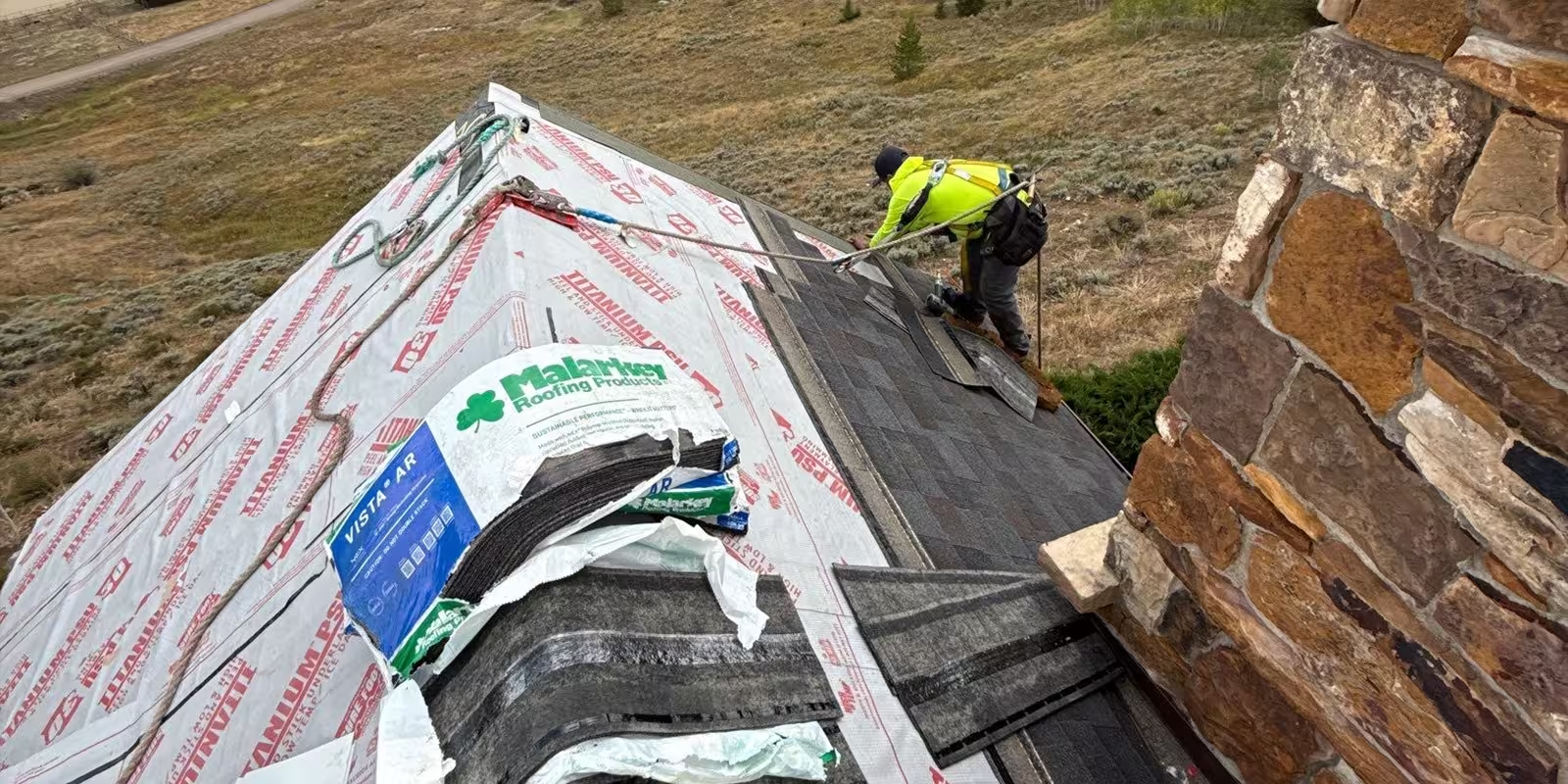
Free, no-pressure inspection. We look at the roof, the siding, the soffits, and the ventilation as a system. You will see what we see.
Get a Detailed Proposal with Options
A written scope and clear pricing with the options that fit your home and your budget. You decide when, or whether, to move forward.
Eric Lives in Willow Creek
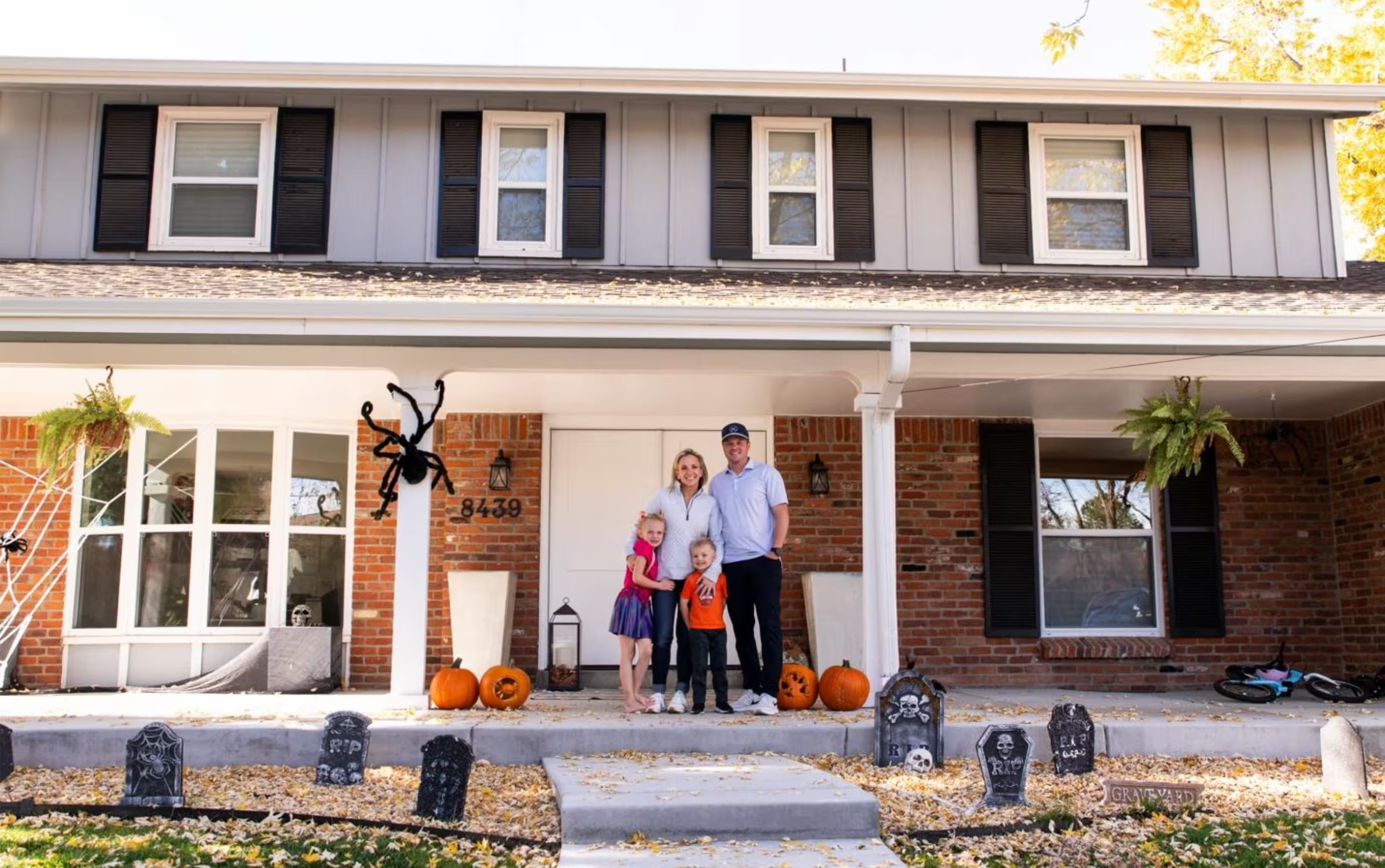
Eric, the owner of Pak Exteriors, lives in Willow Creek. He has walked the same streets you do, dealt with the same hail seasons, and knows what 50-year-old board and batten siding looks like up close because he has it on his own house.
That is a different kind of accountability than a contractor who is here for a storm and gone before the warranty matters. When something needs to be looked at three years from now, the truck is still in the neighborhood.
The Pak Exteriors Difference
On-Time Completion
We set realistic timelines and stick to them. Your project manager keeps everything on track with clear communication throughout.
Transparent Pricing
Roofing and siding pricing published online. You can see what your project should cost before you ever talk to anyone.
Local Support
Owner-operated, locally based, certified across seven roofing manufacturers, and an authorized James Hardie installer.
Eric lives in Willow Creek.
The owner of Pak Exteriors walks the same streets you do, deals with the same hail seasons, and has 50-year-old board and batten siding on his own house.
A different kind of accountability than a contractor who shows up for a storm and disappears before the warranty matters.
Manufacturer Certifications
Plus authorized James Hardie installer. We recommend what fits — not what pays.
Year Workmanship Guarantee
On every project. We're not going anywhere — Eric's house is around the corner.
Calculation-Based Ventilation
Designed from your attic's actual needs, not rules of thumb.
Dedicated Construction Manager
One point of contact who knows your project end to end.
Transparent Pricing Online
Roofing and siding. No "request a quote" wall.
Defined Scope Before Work Starts
Materials, timeline, and price in writing before anyone gets on the roof.
Flexible Financing Available
Multiple plans on approval to fit different budgets.
Projects from Willow Creek & Nearby Neighborhoods
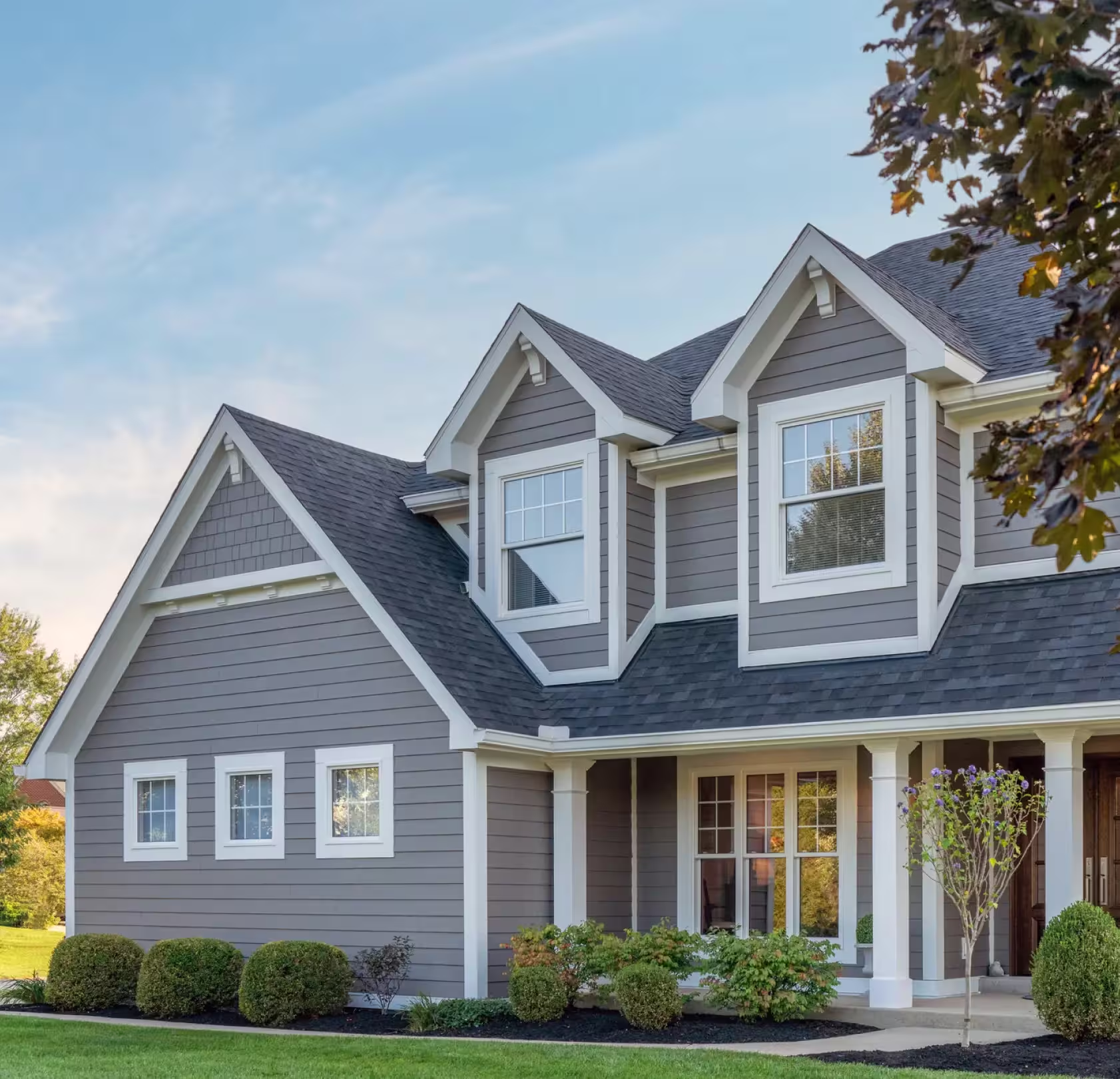
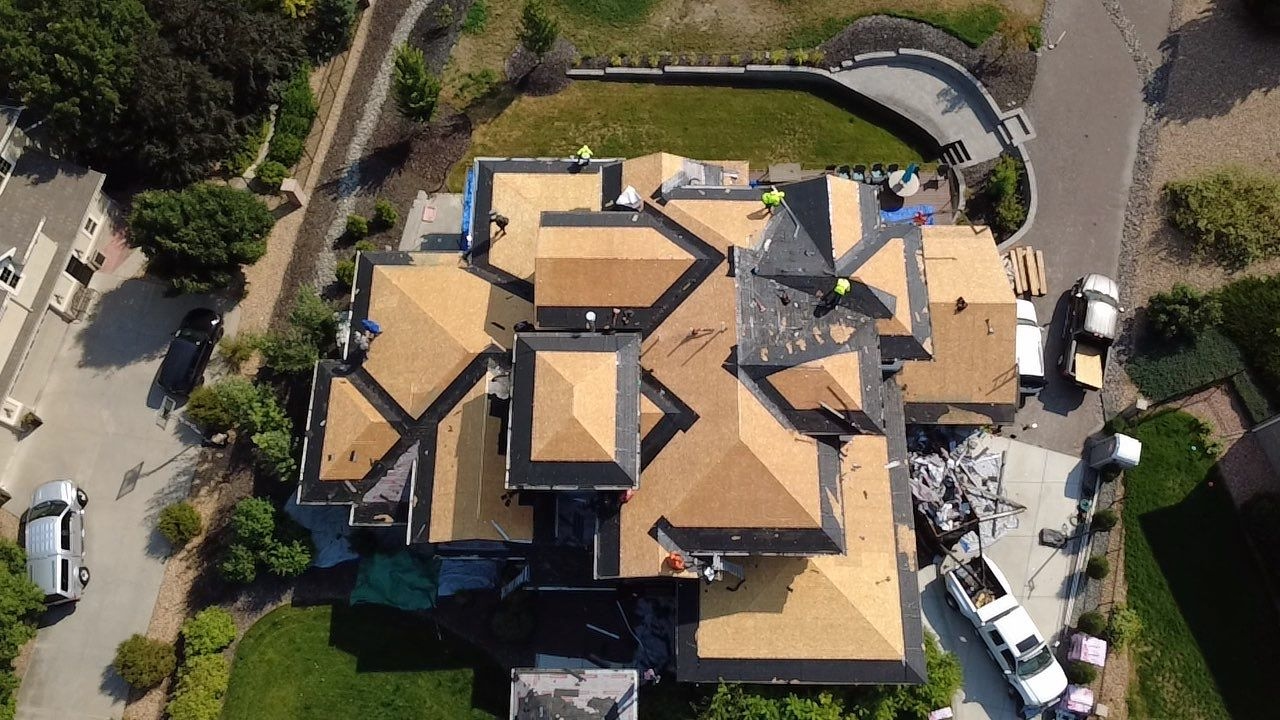
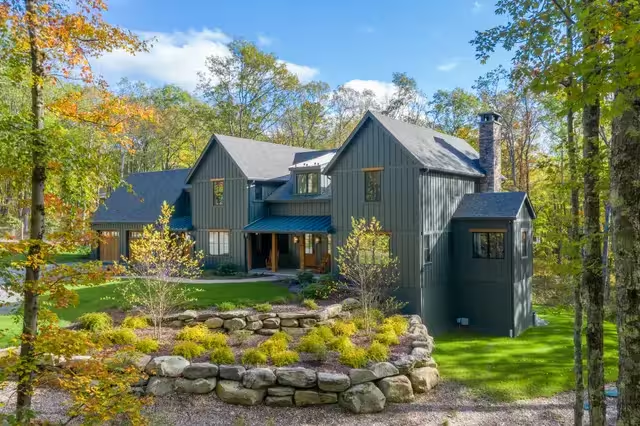
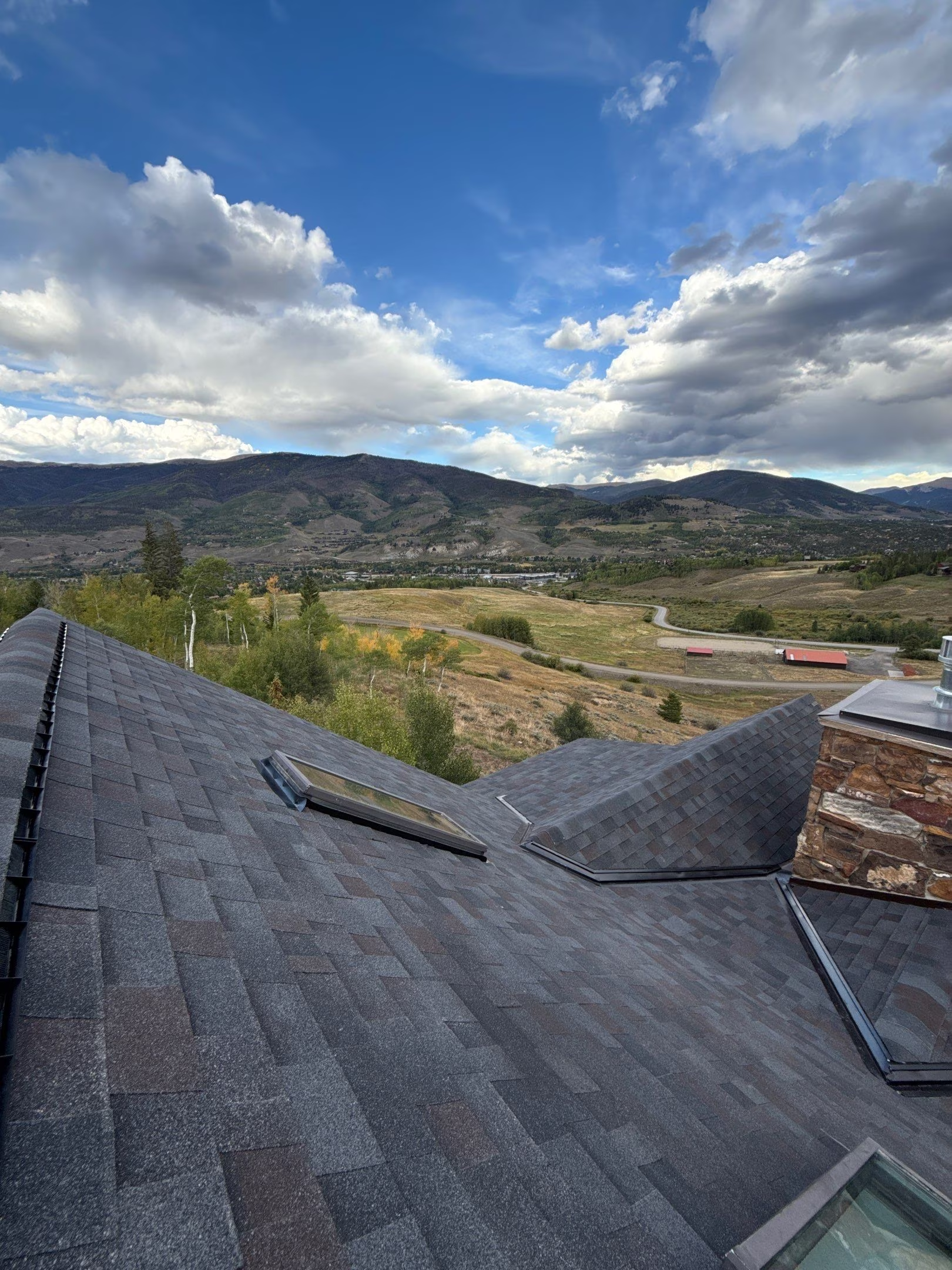
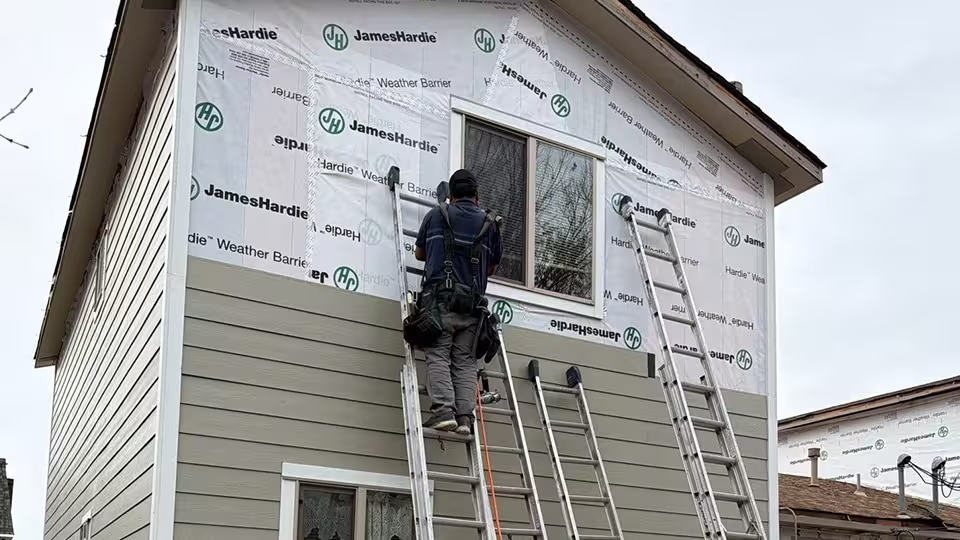
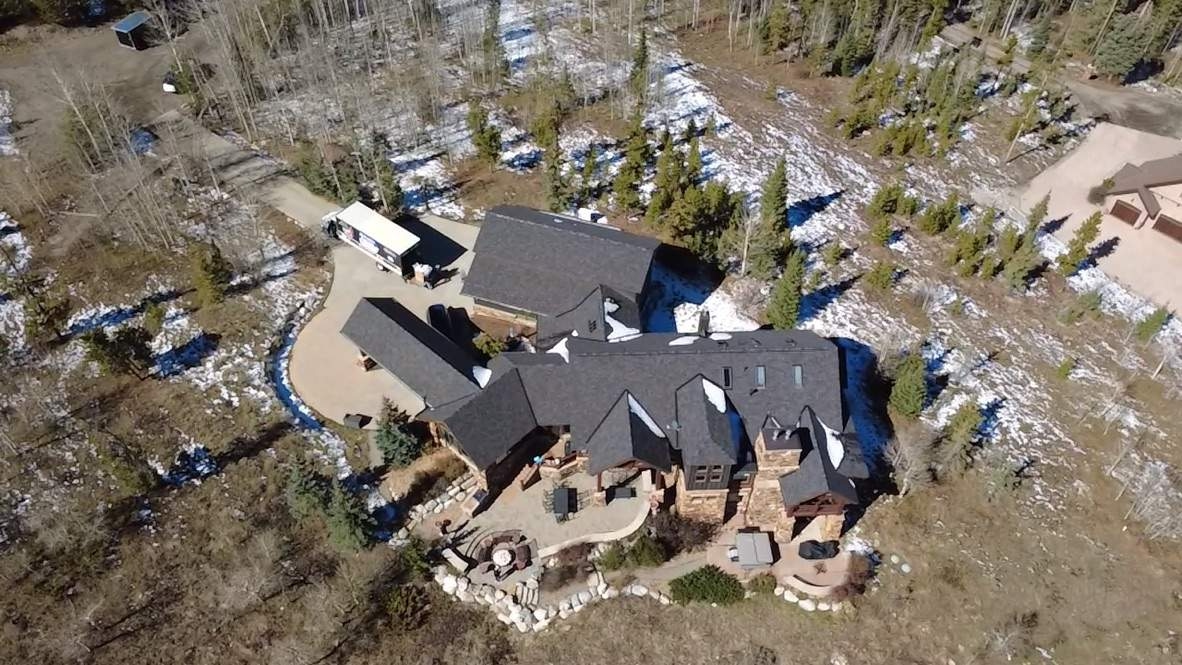
Roofing and siding work on 1970s-era homes similar to yours. Before-and-after photos and full project details available on request.
 Siding
 Roofing
 Siding
 Roofing
 Siding
 Roofing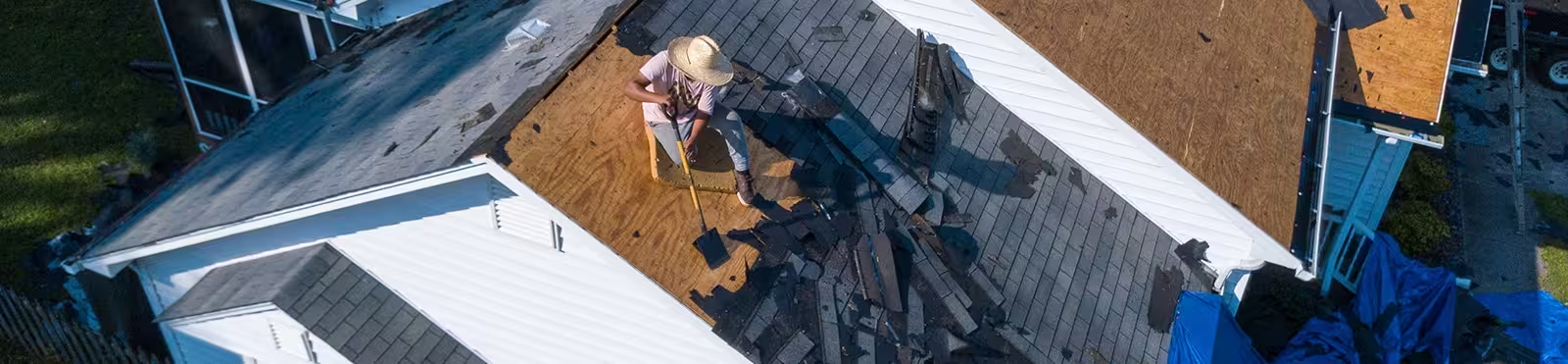
Find Out What Your Project Will Cost
Whether you are still researching or ready to have a real conversation about your roof or siding, we are here. No pressure, no pitch. Just straight answers from people who work on Willow Creek homes.
Just have a question? That's fine too. Call us and ask. No obligation.