


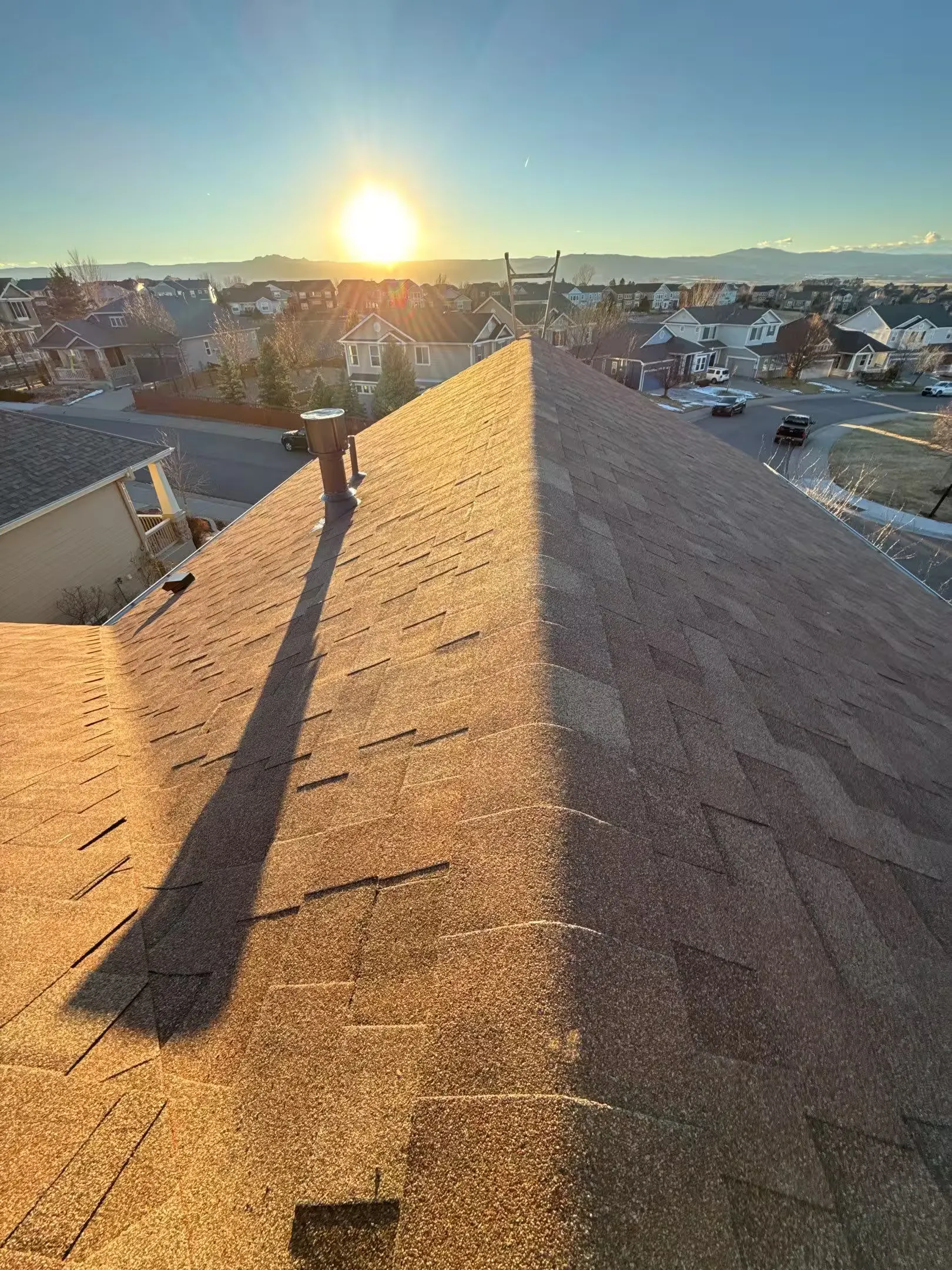



Ice Dam Prevention in Hot Sulphur Springs
Stop the cause, not just the symptom.
Ice dams are caused by how heat and water move across your roof, not just by snow. Fixing them usually means addressing two systems together: attic ventilation and heat cables. This page explains how both work in Colorado mountain climate.
What's Actually Happening
Why Ice Dams Form in Hot Sulphur Springs
Hot Sulphur Springs's elevation and extreme temperature swings create ideal conditions for ice dams. Sunny days warm south-facing roofs while nights drop well below freezing, driving repeated melt-refreeze cycles.
The root issue is heat movement and water flow, not how much snow is on the roof.
Heat Escapes
Warm air leaks into the attic and warms the roof deck from below.
Snow Melts Unevenly
Meltwater flows down the warm part of the roof toward colder edges.
Refreezes at the Eaves
At the colder eave, meltwater refreezes and traps water behind it.
The Two-System Approach
Ventilation + Heat Cables, Working Together
System 1
Proper Attic Ventilation
A balanced flow of cool air in through intake vents and warm air out through exhaust vents reduces uneven roof warming — one of the main things driving ice dam formation.
Many Hot Sulphur Springs homes have decent exhaust but poor intake, which throws the whole system off balance.
Attic Ventilation in Hot Sulphur SpringsSystem 2
Designed Heat Cables
A properly designed heat cable system creates controlled melt paths so water can exit the roof or gutter system reliably. Heating roof edges, valleys, gutters, and downspouts keeps meltwater moving instead of refreezing.
Underpowered or poorly placed cables can actually make things worse. Design matters more than simply having cables installed.
Heat Cables in Hot Sulphur SpringsThe Result
Significant Risk Reduction, Not Total Elimination
When ventilation is balanced and heat cables are designed to manage runoff where it's needed, the conditions that create ice dams are greatly reduced. Ice dams can't be eliminated entirely under extreme conditions, but their frequency and severity drop dramatically.
A proper evaluation looks at:
Ice Dam Prevention FAQs — Hot Sulphur Springs
Common questions from Hot Sulphur Springs homeowners.
Ice dams form when heat escapes into the attic, warms the roof deck, and melts snow unevenly. Meltwater flows down and refreezes at the colder roof edges. The root issue is heat movement and water flow, not just how much snow is on the roof.
Improving ventilation can significantly reduce one of the main contributors to ice dam formation. Balanced intake and exhaust airflow keeps roof temperatures more uniform. But ventilation alone may not solve the problem in every situation, especially during extreme weather.
Heat cables don't "solve" ice dams by themselves. Their purpose is to create controlled melt paths so water can get off the roof reliably. How the system is designed matters more than simply having cables installed.
Hot Sulphur Springs's elevation and extreme temperature swings create ideal conditions for ice dams. Clear sunny days warm south-facing roofs while nights drop well below freezing.
No. Under extreme or prolonged winter conditions, some ice buildup may still happen. The goal is reduction, not absolute prevention. With proper ventilation and heat cable design, many homeowners see a dramatic drop in how often ice dams form and how bad they get.
Sometimes, depending on your policy. It's worth understanding your coverage limits and deductibles before damage occurs. If you're dealing with ice dam leaks, document the damage and contact your insurer.
Have a specific question about your home?
Schedule an Inspection
Find Out What Your Project Will Cost
Real answers, transparent pricing, and a clear plan tailored to Hot Sulphur Springs.