



Ice dams are a common and costly winter problem in Colorado. When snow melts on the upper roof and refreezes at the eaves, water backs up under roofing materials, often leading to leaks, interior damage, and premature roof failure.
Heat cable systems are designed to prevent this by creating a controlled melt path that allows water to exit the roof safely. This guide explains how heat cable systems are priced, how requirements differ between Denver metro and mountain homes, and what homeowners should realistically expect when planning a system.
TLDR: Heat cable installation typically runs 5 to 5 per linear foot, with total project costs varying by roof complexity and coverage area. Understanding what drives the price helps you evaluate quotes and plan your budget.
How Heat Cable Systems Are Priced
Heat cable systems are not priced by roof size or roofing squares. They are priced based on linear feet of cable installed in concentrated risk locations.
Professionally installed heat cable systems typically cost:
$15 to $25 per linear foot installed
This pricing includes the heat cable, mounting hardware, layout design, controls, and professional installation. Electrical upgrades are not included and are addressed separately below.
How Much Heat Cable Is Typically Required
Heat cable does not need to be installed across the entire roof. However, it must be installed in the correct locations to be effective.
These locations typically include:
- Roof eaves and edges
- Valleys
- Gutters
- Downspouts
- Sidewall transitions
- Shaded or north-facing roof sections
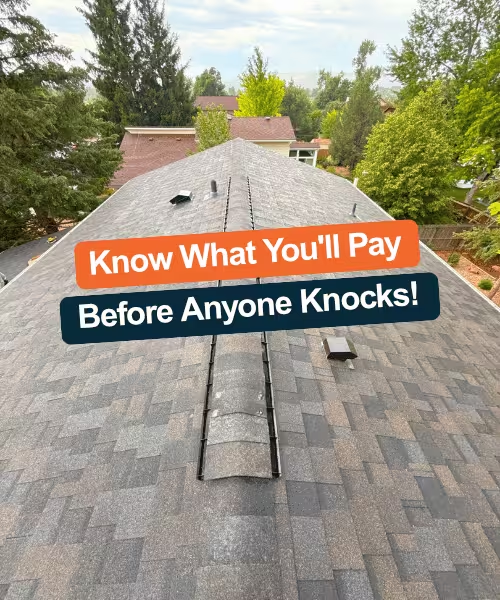
Because heat cable is installed in a zigzag pattern at roof edges, the total cable footage is often much greater than the straight-line roof edge length.
Denver Metro Area Homes
For most homes in the Denver metro area, heat cable is typically installed only at concentrated risk locations, not full roof perimeters.
Typical heat cable footage: 80 to 300 linear feet
Denver Heat Cable Cost Range
Using the published per-foot pricing:
- Low end: 80 linear feet × $15 per foot = $1,200
- High end: 300 linear feet × $25 per foot = $7,500
Estimated heat cable system range for Denver homes: Approximately $1,200 to $7,500, before electrical upgrades.
Mountain Homes and High-Snow Areas
Mountain homes experience longer winters, deeper snow loads, and more frequent freeze-thaw cycles. As a result, heat cable systems in these areas typically require more extensive coverage at concentrated risk locations.
Typical heat cable footage: 200 to 400+ linear feet
Mountain Heat Cable Cost Range
Using the same per-foot pricing:
- Low end: 200 linear feet × $15 per foot = $3,000
- High end: 400 linear feet × $25 per foot = $10,000+
Estimated heat cable system range for mountain homes: Approximately $3,000 to $10,000+, before electrical upgrades.
Electrical Work, A Separate and Critical Cost
Heat cable systems require a properly sized, dedicated electrical supply. One of the most common reasons systems fail is inadequate electrical capacity or improper circuit design.
Electrical work generally falls into two categories.
Standard Electrical Upgrades
$1,000 to $2,500
Typically includes adding a dedicated circuit, exterior outlets, GFCI protection, and verifying panel capacity.
Major Electrical Upgrades
$2,500 to $12,000+
May include panel upgrades, subpanels, long wire runs, or service modifications, particularly common in older homes and mountain properties.
Electrical requirements are site-specific and must be evaluated before final pricing.
Maintenance and Repair Costs
Heat cable systems benefit from periodic inspection and maintenance to ensure they function properly.
Annual inspection and tune-up $250 to $350
Includes checking cable output, controls, connections, and melt pathways.
Troubleshooting and repairs $400 to $3,000
Costs vary based on whether issues involve damaged cable, controls, electrical supply, or deficiencies in the original design.
Why Heat Cable Systems Fail, Incorrect Design and Installation
Most heat cable failures are caused by incorrect system design, not the cable itself.
Common mistakes include:
- Installing cable where it is not needed instead of where ice dams form
- Failing to install cable in critical melt-path locations
- Underpowered cable or insufficient coverage
- Cable not extending far enough up the roof
- Cable not extending past the roof edge to fully evacuate meltwater
- No double-pass installation in gutters
- No double-pass or insufficient run in downspouts
- Cable terminating too high in the downspout
- No dedicated electrical circuit or improper amperage sizing
- Missing junction boxes where required
- No defined melt pathways
- No aluminum extrusions at sidewalls and transitions
- Incorrect cable spacing or fastening
Heat cable does not need to cover the entire roof, but it must be designed correctly and installed in the right places to work.
Is a Heat Cable System Worth It
For homes with recurring ice dams, a properly designed heat cable system can significantly reduce the risk of roof and interior damage. When installed correctly, these systems help protect:
- Roofing materials
- Fascia and soffits
- Gutters and downspouts
- Interior finishes
- Insulation and structural framing
Effectiveness depends on proper design, not blanket coverage.