


Pak Exteriors
Heat Cable System
Pricing Guide
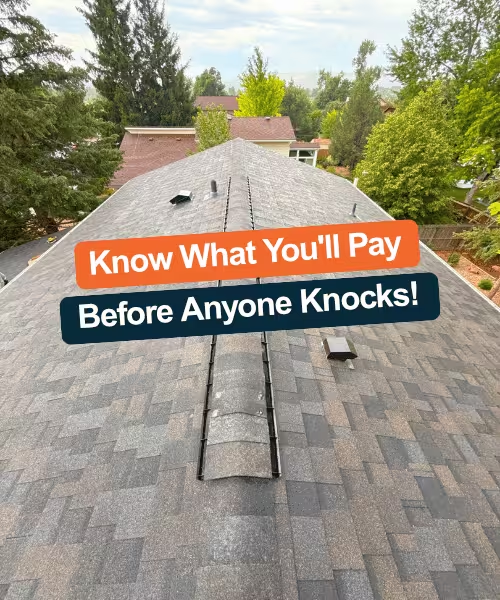
When you want lasting protection from ice dams, you need more than just the right equipment, you need the right plan. Pak Exteriors delivers transparent pricing, detailed information, and expert guidance so you get reliable results, not costly mistakes.
Why Isn't Heat Cable Pricing Easy to Find?
Most contractors keep prices vague out of fear of losing business, tipping off competitors, or "too many variables." In truth, hiding prices is what makes you anxious and skeptical. So we lay it all out for you.
What Impacts Heat Cable System Costs
Key factors shaping your project price
Material Grade and Controls
Cable quality (standard/premium), types of thermostats, sensors, and warranty levels all influence budget.
System Size
Based on the number of linear feet needed to protect vulnerable roof zones.
Roof Slope, Size, and Complexity
Complex roof shapes require more cable, planning, and installation time.
Existing Roof Conditions
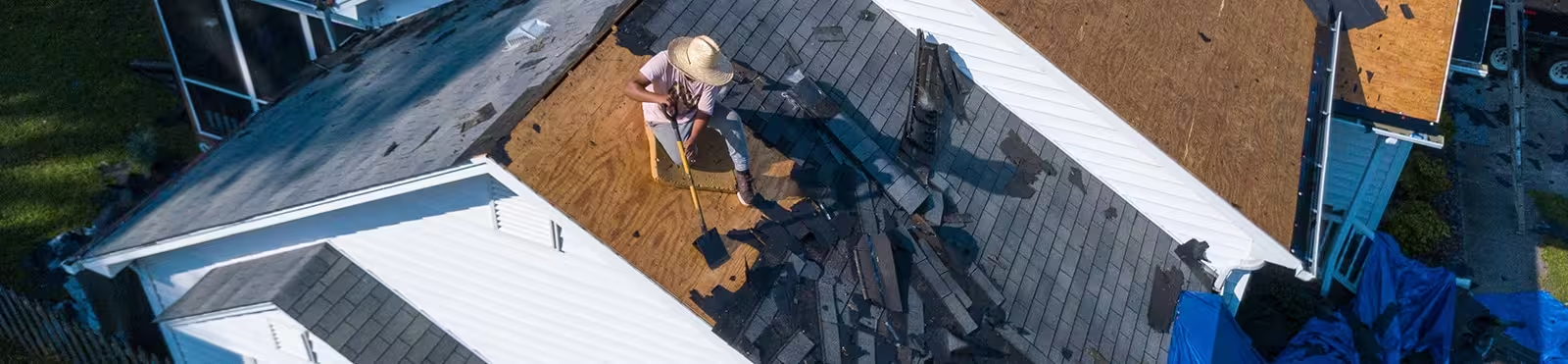
Removal of old cables, repairs, and structural preparations can impact the final total.
Electrical Work
Ranges from simple outlet additions to full-panel upgrades.
Specialty Products for Melt Pathways
Using hot metal valleys, aluminum extrusions, or similar products to direct water safely off your roof.
Denver Metro
80 – 300 linear feet typical
$1,200 – $7,500
Mountain Communities
200 – 400+ linear feet typical
$3,000 – $10,000+
Typical Heat Cable System Pricing by Service
Heat Cable Installation
$15 – $25
/ linear foot
- Cable, clips, layout, controller
- Expert installation
Standard Electrical Upgrade
$1,000 – $2,500
per project
- Panel check, outlet install
- Code compliance
Major Electrical Upgrade
$2,500 – $12,000
per project
- Service/panel upgrade
- Extensive rewiring
Ice Dam Prevention Tune-Up
$250 – $350
per year
- Inspection, controls
- Cabling check
Troubleshooting & Repair
$400 – $3,000
per project
- Diagnostics, repair/replacement
- Warranty work
Where Does Heat Cable Go?
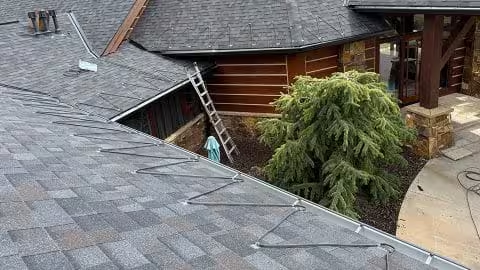
You do not need cable everywhere. Instead, it's installed only in the areas most vulnerable to ice dams.
North and west eaves
Exposed to less sun and the first areas where snow accumulates and ice dams form.
Shaded valleys and roof-to-wall connections
Where ice dams most frequently form, snowmelt runs down and refreezes at cold transition points.
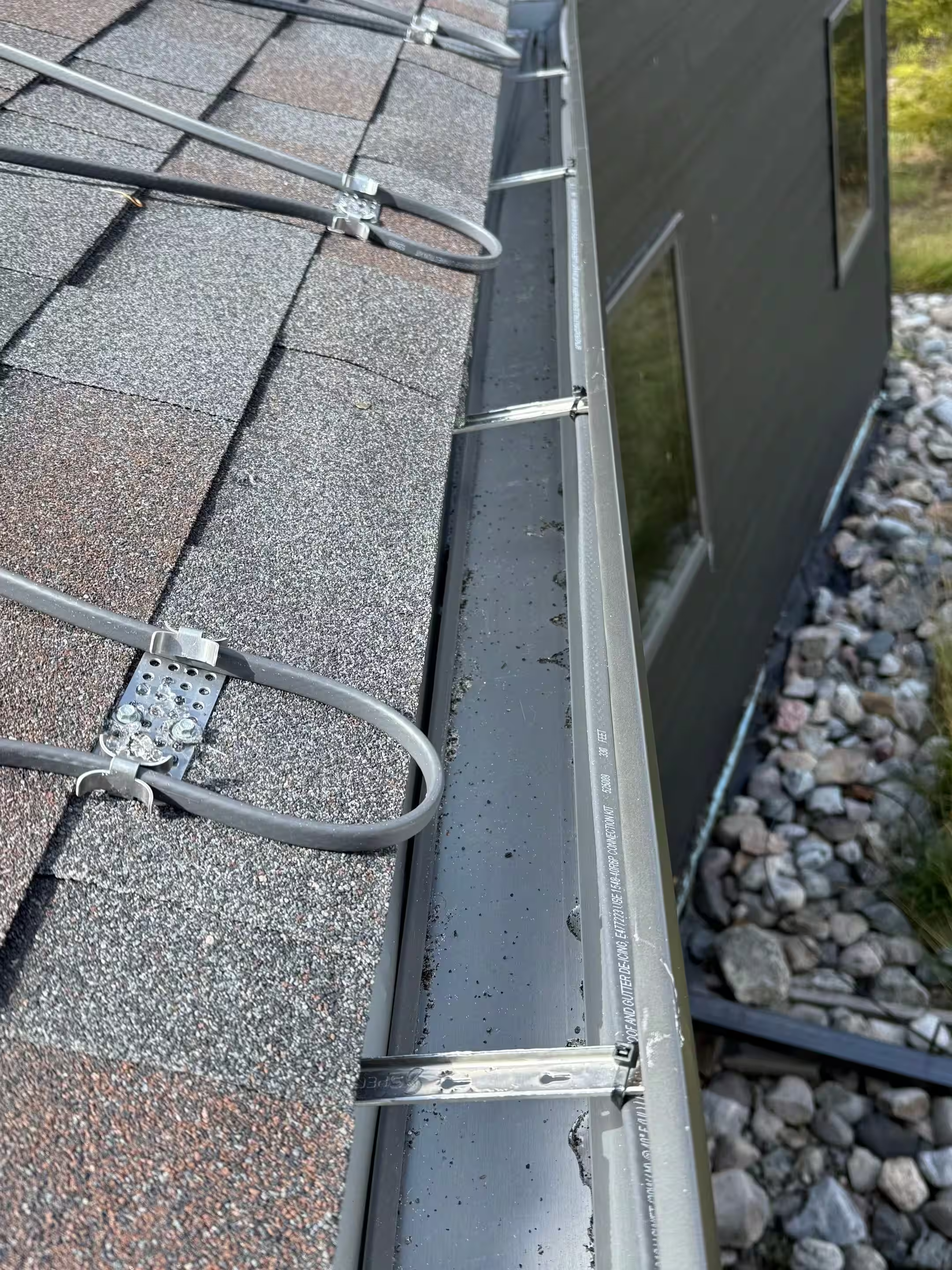
Gutters, downspouts, valleys, and high-risk connections
Identified as high-risk during inspection. Water backing up in frozen gutters can cause significant interior damage.
The Critical Role of Unobstructed Pathways
A crucial but often overlooked aspect of effective heat cable installation is ensuring heated areas allow snowmelt to have unobstructed escape paths off your roof.
Failing to install specialty melt products such as hot metal valleys, aluminum extrusions (snow belts), or proper open channels can actually worsen ice damming.
Without these, melting snow created by the cable can refreeze at blockages, feeding rather than preventing ice dams, a common and costly error in system design and installation.
Proper design means pairing heat cables with the right specialty products so snowmelt leaves the roof and moves safely away from the property.
How Much Cable Do You Need?
Most Colorado homes need 80 to 300 linear feet of cable, concentrated in at-risk locations.
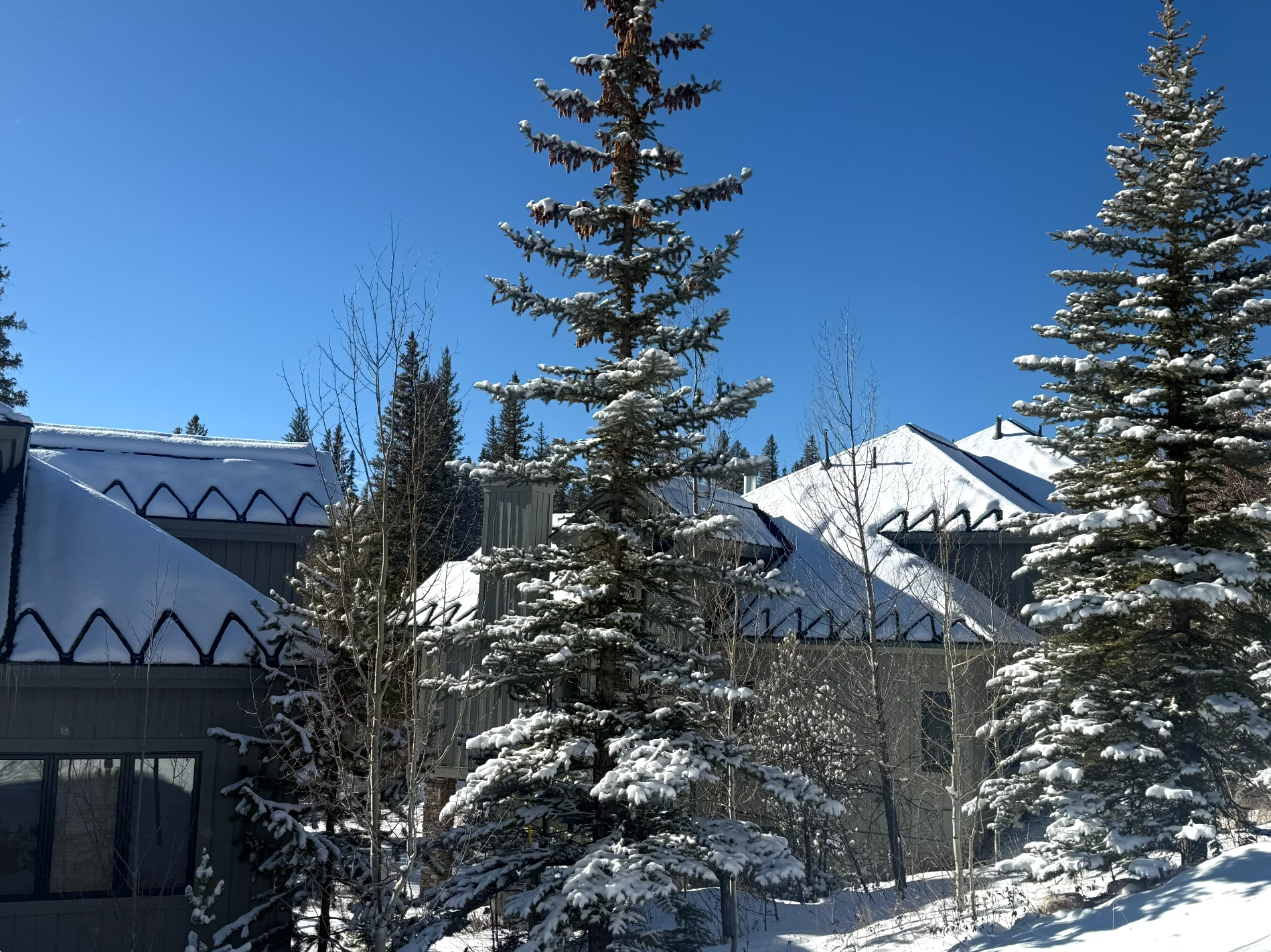
Vulnerable areas almost always receive a double pass of cable for lasting protection. Zigzag installation details:
- 1
Each pattern covers 3 feet up and down (6 feet per segment)
- 2
Zigzags are typically spaced 24 to 30 inches apart
- 3
For every linear foot of roof edge receiving cable, plan for approximately 2.4 feet of cable (e.g., 10 linear feet = 24 feet of cable)
- 4
Specialty melt pathway products are installed wherever needed for drainage and ice dam prevention
What You Get from Pak Exteriors
Itemized and transparent proposals
Every line item explained, no bundled numbers that hide what you're actually paying for.
Full range of material, control, and specialty product choices
Self-regulating cable, smart thermostats, aluminum melt channels. We spec the right products for your roof.
Thorough design to keep snowmelt flowing and ice dams away
We design the full system, not just the cable, so water has a clear, heated path off your roof every time.
Begin Your Heat Cable Project in 3 Simple Steps
You don't have to guess what comes next.
Talk Through Your Project
Start with a conversation and an inspection. This is where roof conditions, goals, and priorities are discussed.
Compare Options and Packages
Different packages, materials, and upgrades are reviewed side by side, so you can see how each choice affects performance, longevity, and cost.
Move Forward When It Makes Sense
Once you choose the option that fits your home and budget, scheduling and coordination follow, with communication provided throughout.
Find Out What Your Heat Cable System Will Cost
Schedule an inspection to discuss your project. No obligation, no pressure.