
Synthetic Composite in Lone Tree
Slate or shake aesthetics, modern engineering.
This page covers what synthetic composite actually is, how it performs in Denver Metro conditions, regional pricing for Lone Tree, and how it compares to standard asphalt and other premium materials.
What This Material Is
Synthetic Composite in Plain Terms
Synthetic composite roofing is engineered polymer that mimics the look of natural slate or wood shake without the weight, fragility, or fire risk. Premium composites carry Class A fire ratings and Class 4 impact ratings while staying lighter than tile or natural slate. In Lone Tree, composite is a strong choice for wildland-urban interface areas where fire resistance matters.
Performance
How It Performs in Denver Metro Conditions
Class A Fire Rating
Non-combustible polymer formulation — well-suited for fire-prone regions and homes near vegetation.
Class 4 Impact Resistance
Top-tier impact rating for hail and falling debris. Often qualifies for insurance discounts.
Lightweight
Significantly lighter than natural slate or concrete tile — installs over standard roof framing without structural reinforcement.
Color Stability
UV-stabilized polymer holds color longer than asphalt, with consistent appearance across decades.
Regional Pricing
Pricing for Lone Tree
Pricing assumes a 3,000 sq ft (30 square) roof at standard complexity, with two-layer maximum overlay and current code requirements for Lone Tree.
Estimated Range
$20.70 – $25.30 per sq ft
$62,100 – $75,900
for a 3,000 sq ft roof at standard complexity
Factors that affect final cost:
- • Roof pitch and complexity
- • Penetrations and flashing detail
- • Existing deck condition
- • Local labor and material availability
How It Compares
Stacking Up Against Other Options
vs.
Natural Slate
- •Visually similar at a fraction of the cost
- •Much lighter — no structural retrofit needed
- •Class 4 impact rated (slate is brittle)
- •Easier to source replacement pieces
vs.
Wood Shake
- •Class A fire rating vs. wood's flammability
- •No insect or rot concerns
- •Lower long-term maintenance
- •Comparable visual texture
vs.
Tile Roofing
- •Lighter — easier on framing
- •Better impact resistance than concrete tile
- •Different aesthetic options (slate or shake look)
- •Similar service life
Why Pak Exteriors
Local Experience in Denver Metro
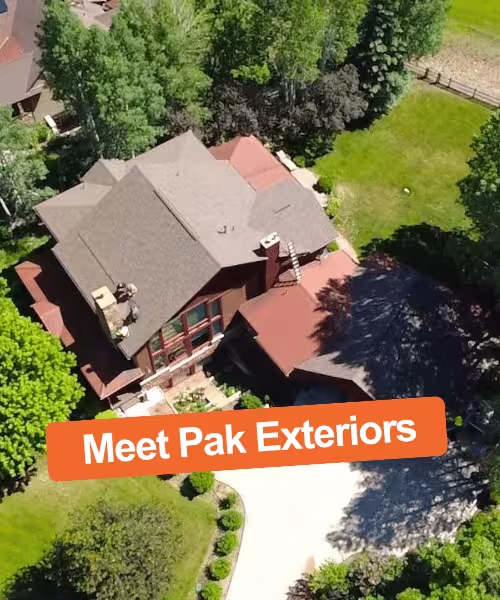
Synthetic composite requires precise underlayment, fastening, and ventilation details. Each manufacturer has specific installation requirements — using the wrong fastener pattern or skipping the manufacturer's underlayment can void the warranty. We hold certifications from major composite manufacturers and install these systems regularly across Denver Metro, including in Lone Tree.
What our certifications and experience mean:
- Material recommendations based on your roof, exposure, budget, and goals
- Not steered by a single manufacturer relationship or volume target
- Proper installation techniques specific to this material type
- Ventilation and flashing details that actually work
Code Requirements
Synthetic Composite Code in Lone Tree
This jurisdiction is more strict than the metro baseline, expect enforced ice barrier requirements and a tear-off requirement with mid-roof inspections.
Minimum Code vs. Best Practice
Lone Tree enforces stricter requirements including ice barrier coverage and mandatory tear-off. Inspections are thorough.
Disclaimer
Lone Tree enforces Douglas County-based IRC standards. Verify requirements with the City of Lone Tree Building Division prior to permitting.
Last Verified: February 3, 2026
Permit Required
Yes.
Drip Edge
Yes. Eaves and rakes.
Ice & Water Shield
Yes. Eaves.
Attic Ventilation
Yes.
Mid-Roof Inspection
Yes.
Roof Overlay
No.
Class A Fire Rating
Yes.
Final Inspection
Yes.
Synthetic Composite FAQs — Lone Tree
Common questions from Lone Tree homeowners.
For a 3,000 sq ft (30 square) roof, pricing typically ranges from $62,100 to $75,900. Final cost depends on roof pitch, complexity, penetrations, deck condition, and current code requirements in Lone Tree.
Synthetic Composite costs more upfront than Class 3 or Class 4 asphalt but typically delivers significantly longer life expectancy, better impact resistance, and stronger long-term value. The right choice depends on how long you plan to stay in your home and your overall goals.
Yes. Premium materials require crews trained on the specific product, manufacturer requirements, and proper underlayment, flashing, and fastening methods. Pak holds certifications across multiple manufacturers and installs each material the way the manufacturer requires.
That depends on your roof structure, exposure, aesthetic goals, and budget. We walk you through the trade-offs honestly during a consultation — sometimes Synthetic Composite is the right fit, sometimes a different material makes more sense.
You receive a 10-year workmanship guarantee plus a manufacturer-backed material warranty (limited lifetime on most products). Coverage details vary by manufacturer and certification level — we walk through specifics during your consultation.
Yes. We pull permits, coordinate inspections, and handle closeout documentation as part of every roof replacement in Lone Tree.
Have a specific question about your home?
Schedule an Inspection
Find Out What Your Project Will Cost
Real answers, transparent pricing, and a clear plan tailored to Lone Tree.