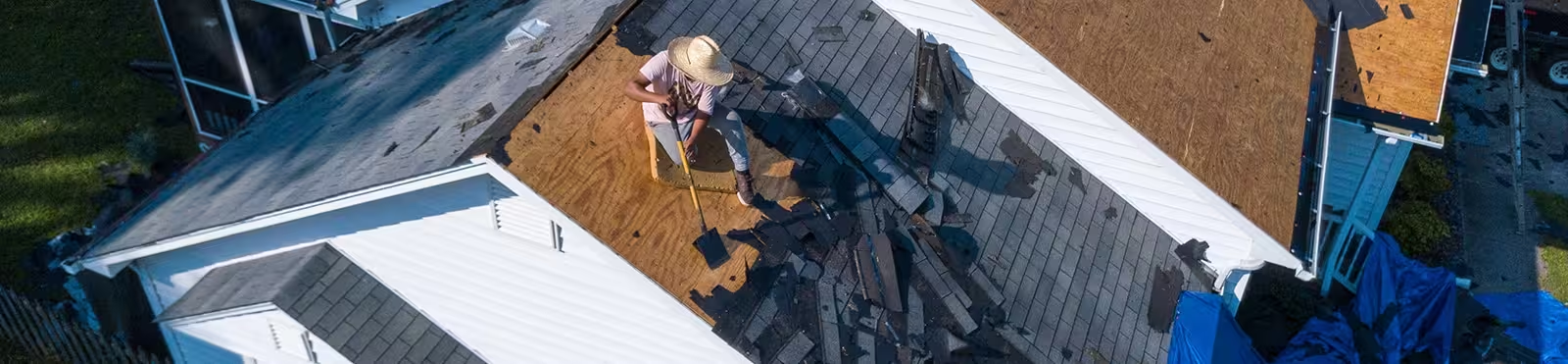

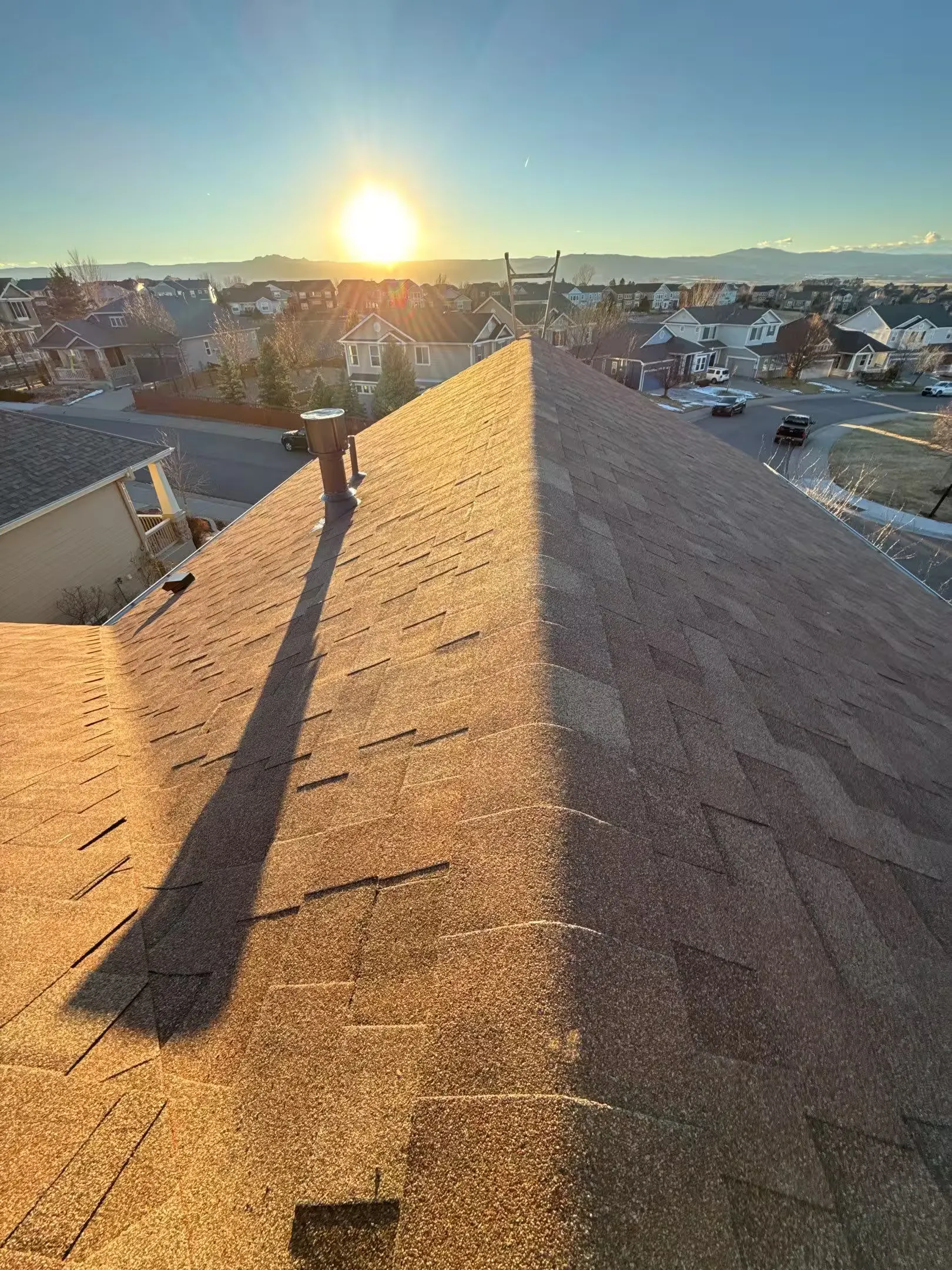





Hail and wind damage are a reality for Colorado homeowners. What often creates confusion is not the storm itself, but what happens after.
Between unfamiliar insurance language, conflicting advice, and pressure from contractors, many homeowners are left unsure where to start or who to trust. This guide exists to simplify that.
This page serves as the central hub for our hail and wind insurance claims resources. It explains the proper process from start to finish and links to deeper articles that walk through each step in detail.
TLDR: Document damage with photos and a written timeline, file your claim promptly, and work cooperatively with your adjuster. Understanding the process removes confusion and helps ensure fair settlement.
One Important Thing to Know Up Front
Insurance claims are not as complicated as they are often made to feel.
Your insurance policy is a contract. If your property is damaged by a covered event, that damage has value. The claim process is simply the method used to document that damage and determine reimbursement under the terms of the contract.
Problems tend to arise when steps are skipped, roles are blurred, or urgency replaces clarity.
The Proper Hail and Wind Claim Process, Step by Step
No matter where you are in the process, every well-handled hail or wind claim follows the same core steps.
Step 1. Determine Whether Real Damage Exists
Before filing a claim, the most important question is whether damage actually exists that is likely to be covered.
This requires a thorough inspection and an understanding of how hail and wind damage present on different materials, not assumptions based on age or appearance.
Read: How to Know If Your Roof or Siding Has Hail or Wind Damage Likely to Be Covered by Insurance
Step 2. Document the Damage Clearly
Once damage is identified, it should be documented thoroughly and clearly.
A high-quality contractor will assemble structured hail damage documentation, what we refer to as an evidence package. This removes guesswork and creates alignment between the homeowner and the insurance carrier.
Read: What Real Hail Damage Documentation Looks Like, and Why It Matters
Step 3. Understand Your Insurance Policy Coverage
Before or during a claim, homeowners should understand the basics of their policy contract, including:
- Replacement Cost Value versus Actual Cash Value.
- Ordinance of law, also known as code upgrade coverage.
- Wind and hail deductibles.
- Relevant exclusions or endorsements.
- Whether you are still within the allotted time frame to file a claim based on the date of loss.
Understanding coverage only matters once damage has been properly confirmed and documented.
Read: Understanding Your Insurance Policy Before Filing a Hail or Wind Claim
Step 4. Stay Involved as the Homeowner
Insurance policies are contracts between homeowners and insurance companies. Because of that, homeowner involvement matters.
When homeowners remain engaged, review documentation, and ask questions, claims tend to move more efficiently and with fewer disputes.
Read: Your Role in a Hail or Wind Insurance Claim, and Why Staying Involved Matters
Step 5. Already Filed a Claim
Many homeowners do not encounter this information until after a claim has already been filed or an adjuster has already been out.
The process does not change. You simply start where you are.
Read: Already Filed a Hail or Wind Claim? How the Process Still Works
Step 6. Avoid Common Post-Storm Pitfalls
After storms, homeowners are often approached by contractors using urgency, guarantees, or unclear promises.
Knowing what to watch for helps you avoid rushed decisions and long-term issues.
Read: Storm Chasers After a Hailstorm: Red Flags Every Homeowner Should Know
How to Use This Guide
You do not need to read everything at once.
If you have not filed a claim, start at the top. If a claim is already open, jump to the step that matches where you are. If something feels unclear, follow the links to the deeper explanation.
Each article is designed to stand on its own while also fitting into the larger process.
Why We Built This Resource
This guide was created to:
- Reduce confusion and pressure.
- Help homeowners understand the process before making decisions.
- Encourage transparency and documentation.
- Set realistic expectations.
- Help claims move smoothly and lawfully.
It is not about telling homeowners what to do. It is about giving them the information needed to make informed decisions.
Final Thoughts
Storm damage does not require panic.
A well-handled insurance claim follows a clear process. Damage is documented, scope is clarified, coverage is understood, and the homeowner stays involved.
Whether you are just starting or already mid-claim, understanding the process is the strongest protection you have.
Disclosure
The information provided in this guide is for general educational purposes only and is not intended as legal advice, insurance advice, or public adjusting services. Insurance policies are contracts between homeowners and insurance carriers, and coverage determinations are made solely by the carrier based on the terms of the policy. Homeowners should consult their insurance agent, insurance carrier, or legal counsel with specific questions regarding coverage or claims. Contractors do not interpret policy language or determine coverage.