



Before reviewing your insurance policy, deductible, or coverage type, there is one step that must come first in any hail or wind insurance claim. You need to confirm that your property actually has legitimate, documentable storm damage that may be covered.
Filing a claim without confirming this can create unnecessary claim history and frustration with little upside. This article explains how coverage eligibility begins with damage assessment, why inspection quality matters so much, and what homeowners should expect from a high-integrity roofing or exterior contractor.
This article assumes you are dealing with hail or wind damage, not fire, flood, or other covered losses.
TLDR: Hail damage shows as dents or cracks in roofing materials. Wind damage typically means lifted or missing shingles. A professional inspection helps determine what's insurable before you file.
Damage Must Exist and It Must Be Covered
Insurance does not pay for age, wear and tear, or cosmetic imperfections. Coverage is triggered by sudden, accidental damage caused by a covered peril, such as hail or wind.
For a claim to make sense, two things must be true:
- There must be actual physical damage.
- That damage must meet the policy’s definition of covered damage.
However, this does not mean that older roofs, worn materials, or roofs with cosmetic issues are automatically excluded from coverage.
In many cases, age and prior wear can actually make a roof less repairable after a hail or wind event. When a storm causes damage that cannot be reasonably repaired without compromising the integrity of the roofing system, full replacement may be the appropriate solution under the policy.
The key distinction is that insurance does not pay because a roof is old, but it may pay when a covered event damages an older roof in a way that cannot be properly repaired.
This is why a thorough, material-specific damage assessment matters so much.
Why a Quick Look Is Not a Proper Inspection
Many homeowners are told they have damage based on a quick look from the ground or a brief walk around the property. This is not a legitimate assessment.
A proper hail or wind inspection adapts to roof design and safety constraints. Depending on the home, this may include:
- Safely walking accessible roof slopes.
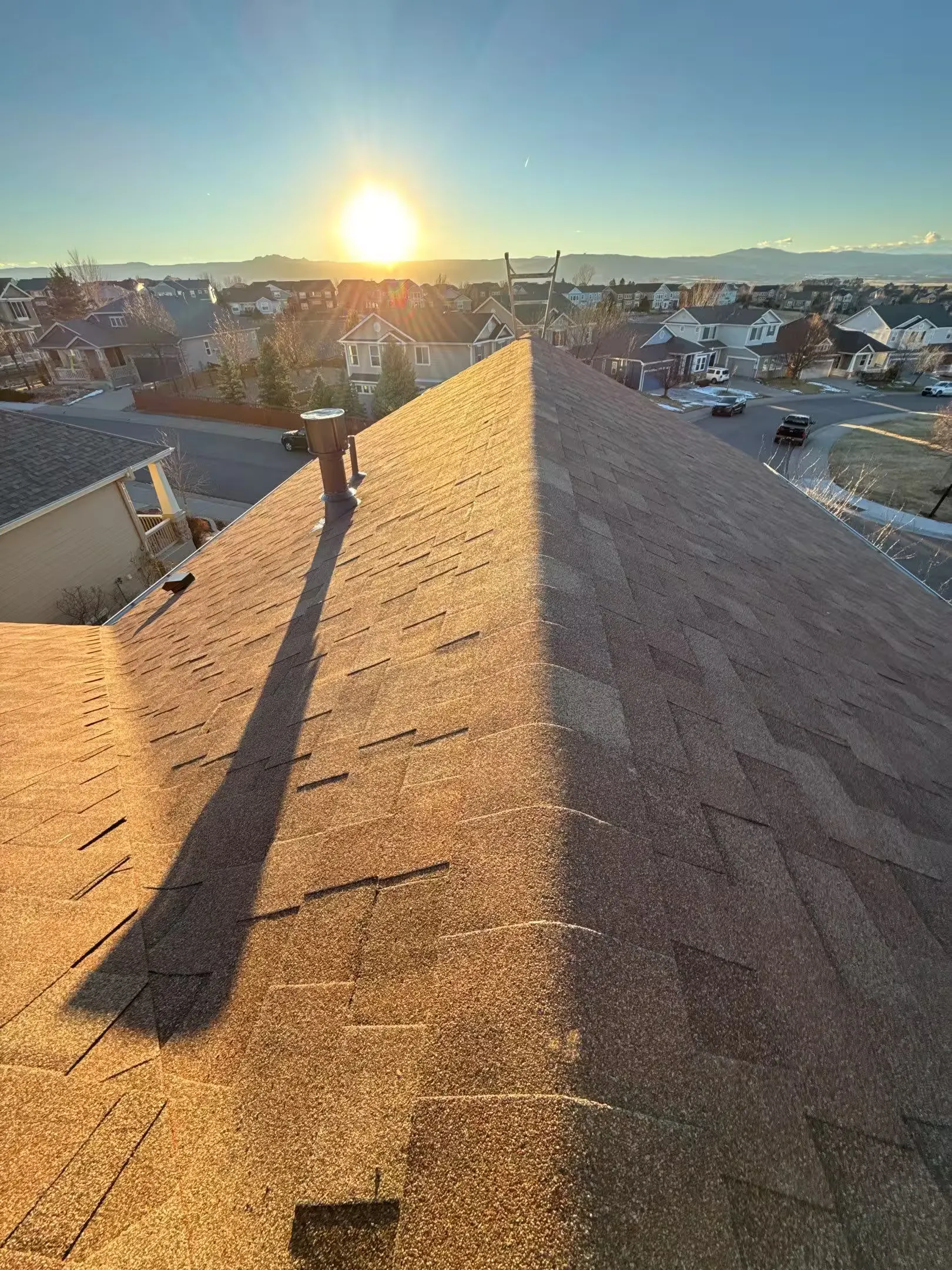
- Using drones for steep, high, or unsafe areas.
- Conducting detailed evaluations from ladder access points when slopes cannot be walked.
The goal is not to physically walk every roof slope. The goal is to thoroughly evaluate every slope using the safest and most appropriate method available.
What High-Quality Damage Assessment Actually Looks Like
A thorough inspection is a process, not an opinion.
A high-integrity contractor will:
- Identify and document all observable storm impacts, whether that is a few isolated hits or fifteen or more impacts on a single slope.
- Take wide-angle photos showing overall roof and property condition.
- Take close-up photos of individual hail or wind impacts.
- Document damage on all roof slopes and all sides of the home.
- Capture collateral damage to vents, flashing, siding, gutters, downspouts, and other roof accessories.
- Document damage to other property items when present, such as air conditioning units, barbecues, hot tubs, playground equipment, or exterior fixtures.
When real, widespread storm damage exists, a proper assessment often results in hundreds of photos, not a handful. Those photos create a complete visual record of what was found and remove guesswork for both homeowners and insurance carriers.
This level of documentation helps establish whether damage is isolated, widespread, or systemic.
Understanding That Damage Looks Different on Different Materials
Hail and wind damage do not look the same across all roofing and exterior materials.
For example:
- Hail damage on architectural asphalt shingles looks different than damage on concrete or clay tile.
- Hail damage on metal roofing presents differently than on wood shake.
- Damage to flat roofing systems is often found beneath the membrane, not always on the surface itself.
A qualified inspector understands these differences and does not apply a one-size-fits-all approach.
High-quality assessments also tie findings back to third-party authorities that have outlined how hail and wind damage affect different materials. This removes subjectivity and keeps the evaluation grounded in documented standards rather than opinion.
The Contractor’s Role, Clearly Defined
At this stage, the contractor’s role is to document damage, not to determine insurance coverage.
A quality contractor should:
- Clearly explain what damage was observed.
- Explain why it may or may not be storm related.
- Be transparent when findings are borderline or inconclusive.
- Avoid guaranteeing claim approval.
Coverage determinations belong to the insurance carrier based on the policy contract.
Why Homeowner Involvement Still Matters
Homeowners should understand what damage is being documented on their property.
You should be able to answer:
- What damage was found.
- Where it was found.
- Why it may or may not be storm related.
If you understand the findings, you are better equipped to decide whether filing a claim makes sense. If something does not make sense, that is the time to ask questions, not after a claim is filed.
Red Flags and Pressure Tactics to Avoid
Homeowners should be cautious of contractors who pressure them to file a claim without clearly explaining the damage.
Common red flags include:
- Claim approval guarantees.
- Statements that “everyone in the neighborhood is getting a new roof.”
- Claims that you will “never pay anything out of pocket.”
- Requests to sign contingency or insurance-proceeds contracts before damage is clearly documented.
These contracts are often unenforceable and should be considered a red flag.
What Comes Next in This Series
Once damage has been properly documented and appears likely to be storm related, the next step is Understanding Your Insurance Policy Before Filing a Hail or Wind Claim.
The next article in this series will cover:
- Replacement Cost Value versus Actual Cash Value.
- Ordinance of law or code upgrade coverage.
- Wind and hail deductibles.
- Exclusions and endorsements that affect hail and wind claims.
Final Thoughts
Confirming damage should always come before filing a hail or wind insurance claim.
That confirmation should be based on thorough documentation, appropriate inspection methods, and homeowner understanding, not pressure or assumptions.
When damage is assessed properly first, the rest of the insurance process tends to move faster, with fewer disputes and better outcomes.
Disclosure:
The information provided in this article is for general educational purposes only and is not intended as legal advice, insurance advice, or public adjusting services. Insurance policies are contracts between the homeowner and the insurance carrier, and coverage determinations are made solely by the carrier based on the terms of the policy. Homeowners should consult their insurance agent, insurance carrier, or legal counsel with specific questions regarding coverage or claims. Contractors do not interpret policy language or determine coverage.