


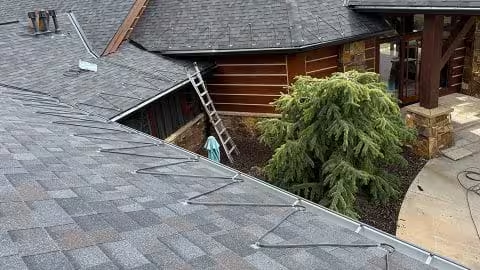
Heat Cable Systems
Reduce Ice Dam Risk Before Winter Sets In.
Each winter, Colorado homeowners face the same challenge, ice dams forming along roof edges and gutters, leading to leaks, water damage, and costly repairs. Quick fixes are common, but they rarely address the underlying causes.
A more effective approach focuses on balance: proper attic ventilation supported by a correctly designed heat cable system that helps manage snowmelt and drainage during freeze–thaw cycles. At Pak Exteriors, ice dam reduction is approached as a system design problem, not a guess.
What Are Heat Cable Systems?
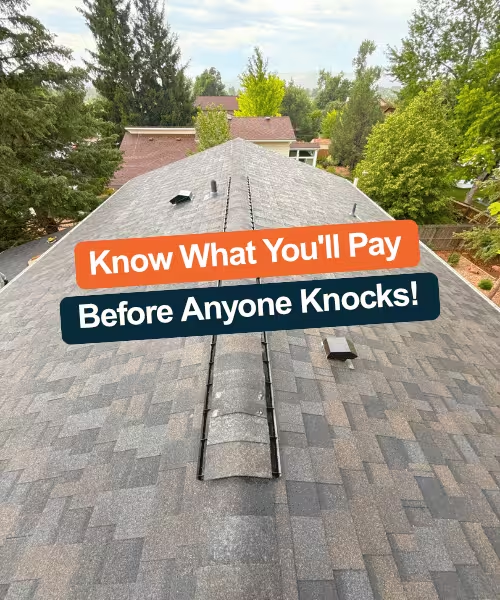
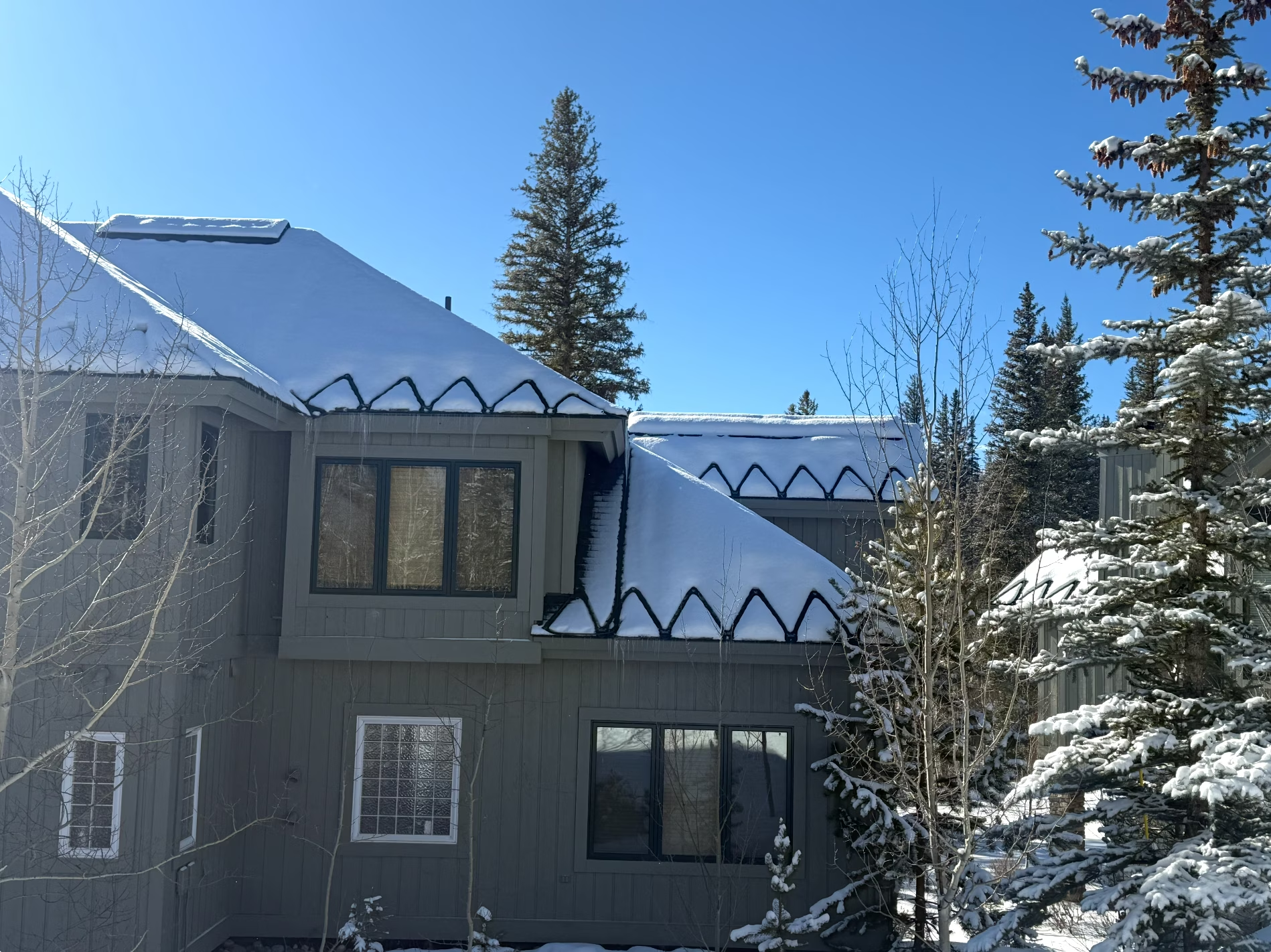
Heat cable systems, also known as heat tape or de-icing cables, are electrical cables installed along roof edges, valleys, and gutters. Their purpose is to help melt snow and ice in areas where buildup commonly restricts drainage.
When activated, these systems are designed to help keep drainage paths open so meltwater can move off the roof more reliably during freezing conditions, rather than refreezing at the edges.
At Pak Exteriors, heat cable installation is approached as a system design rather than a quick fix, factoring in roof pitch, drainage patterns, and snow exposure to size cables reliably.
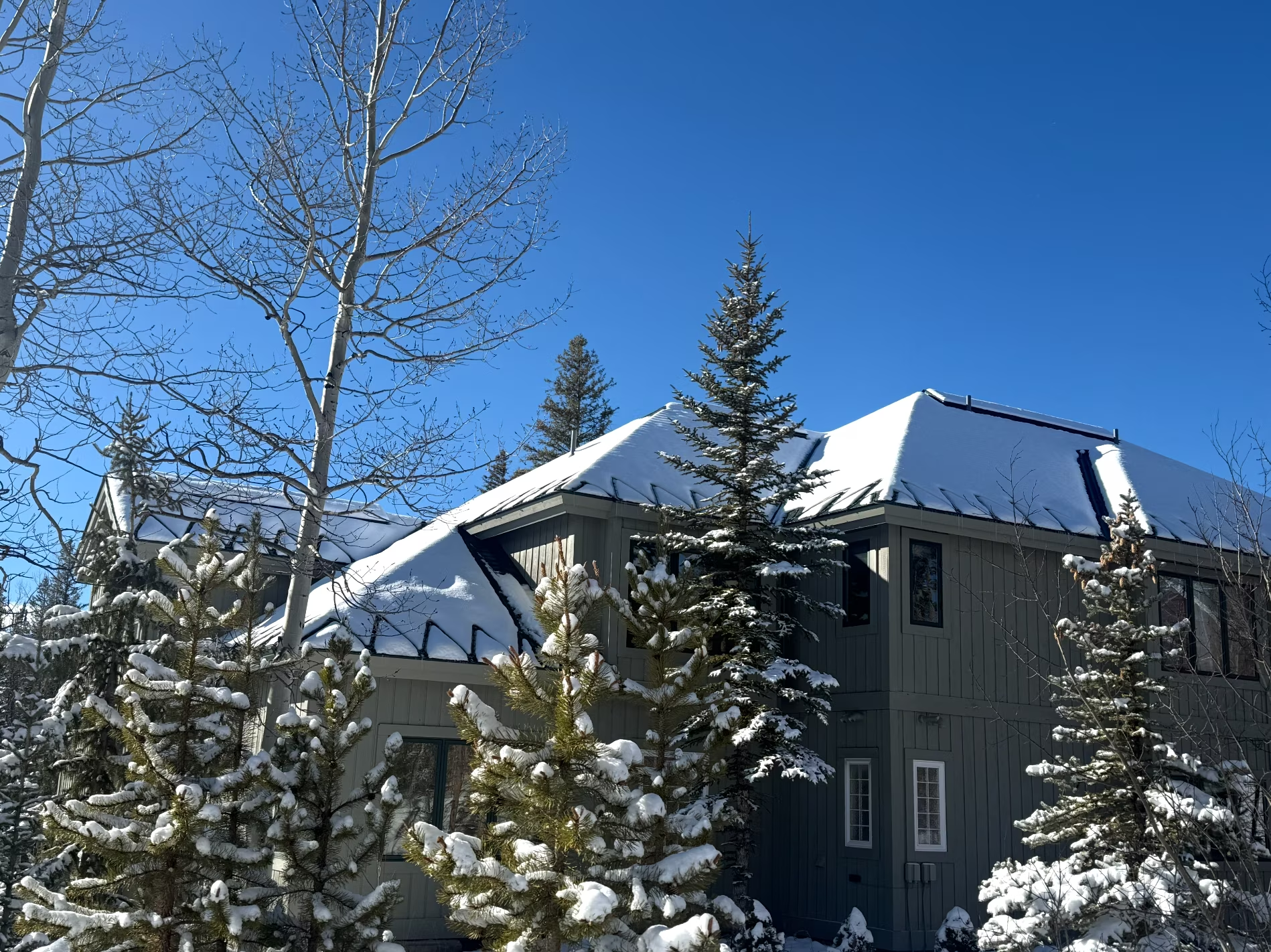
Why Heat Cables Matter
Ice dams aren't just inconvenient. Over time, they can contribute to real damage. Many homeowners rely on temporary fixes or generic cable layouts that offer limited protection. A properly designed system can significantly improve how ice and meltwater are managed on the roof.
Water infiltration into attics, ceilings, and walls
Ice dams force melt water under shingles and into the structure, causing rot, mold, and costly interior repairs.
Moisture buildup that affects insulation and interior finishes
Trapped moisture degrades attic insulation R-values and causes interior paint, drywall, and trim failures over time.
Detached or sagging gutters due to ice weight
Accumulated ice in gutters creates hundreds of pounds of force, ripping gutters from fascia and damaging the roofline.
Accelerated roof wear and avoidable repair costs
Repeated ice dam cycles shorten roof lifespan, damage flashing, and lift shingles, creating failure points far earlier than expected.
How Proper Heat Cable Systems Work
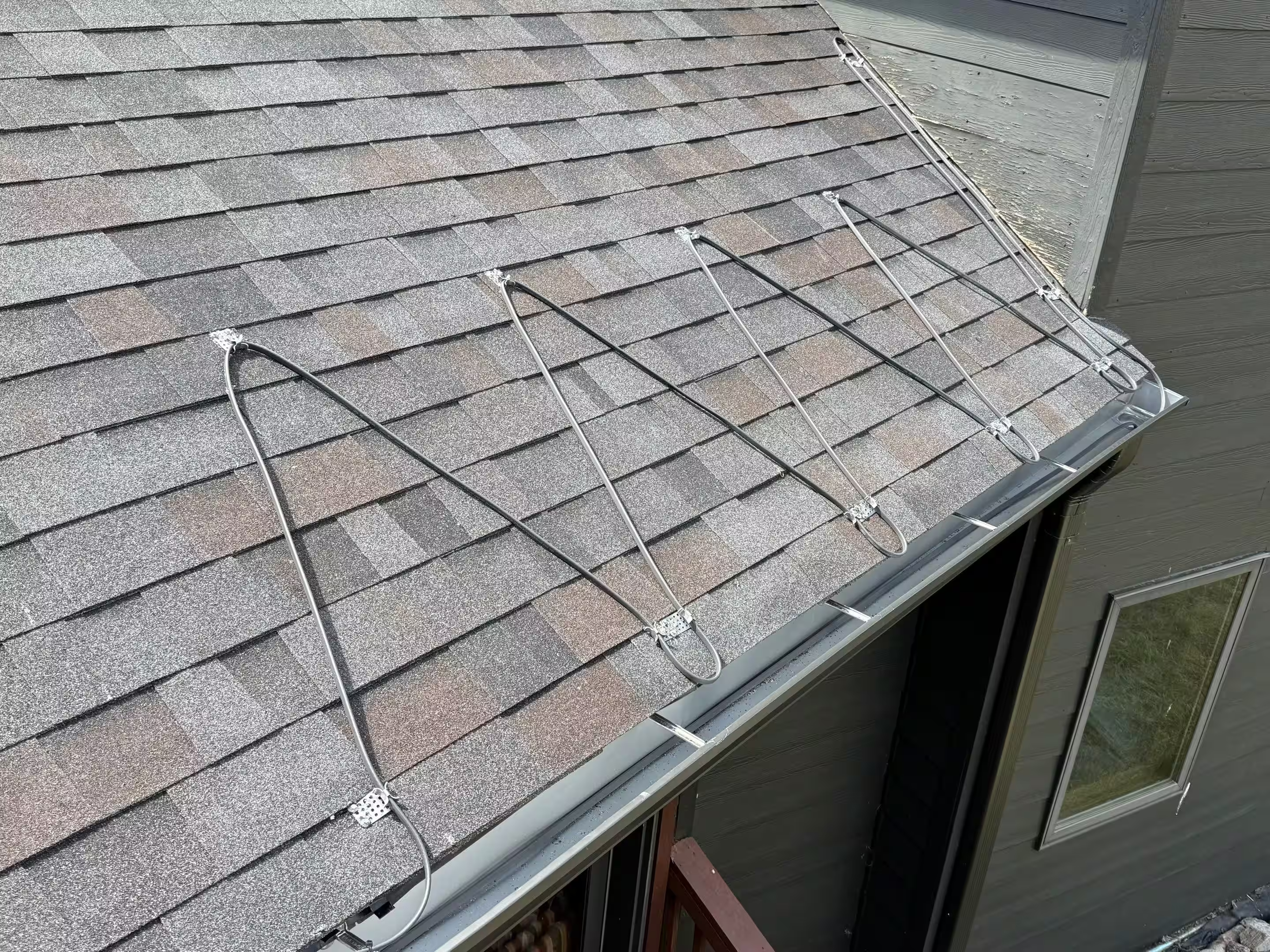
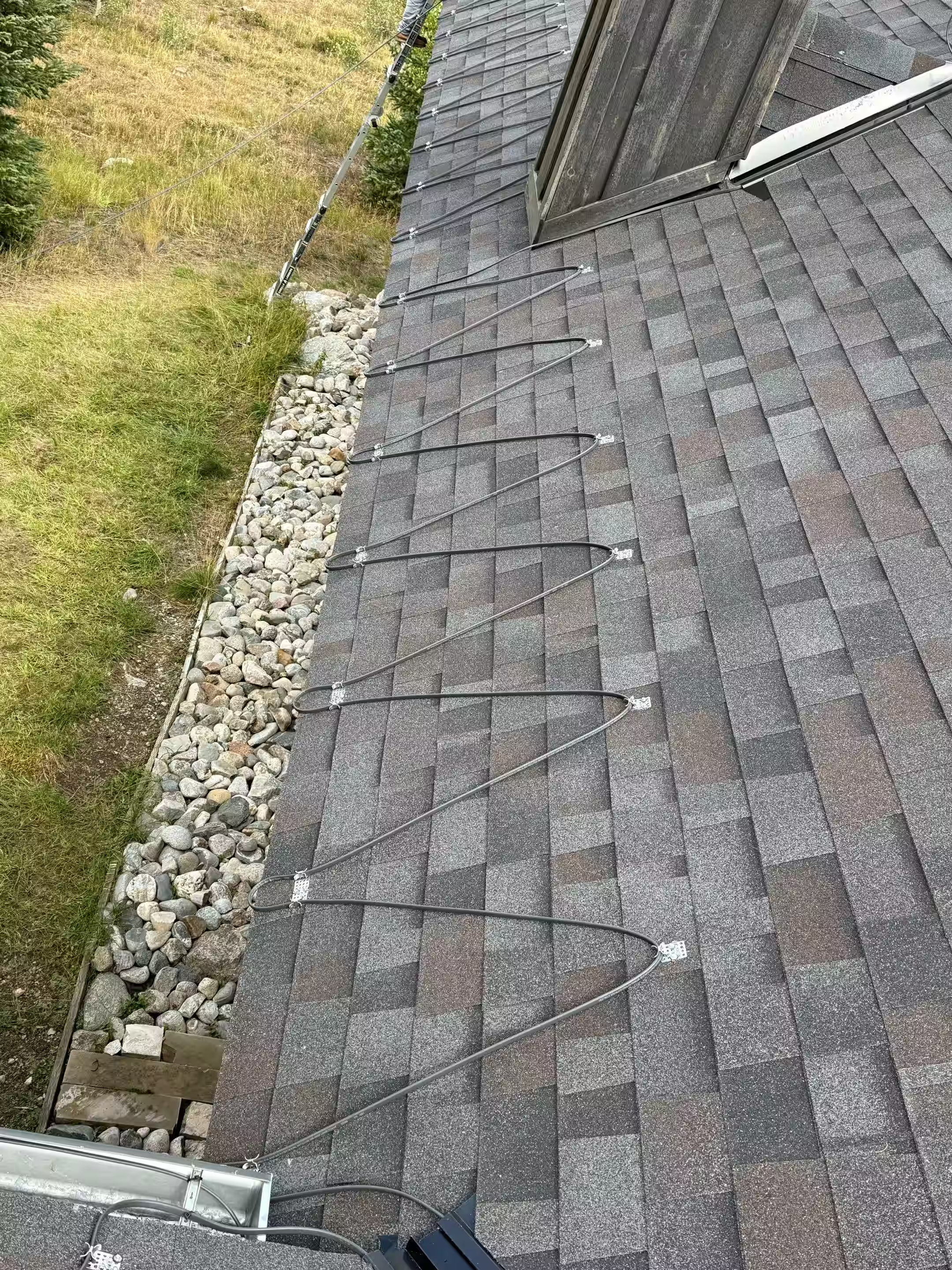
A quality heat cable system targets key accumulation points and creates controlled melt paths that allow water to drain before ice fully develops.
Modern self-regulating cables adjust heat output based on temperature, which helps improve efficiency and reliability. Layout, spacing, and placement all matter just as much as the cable itself.
At Pak Exteriors, systems are designed based on roof type, slope, drainage patterns, and snow exposure, rather than one-size-fits-all layouts.
Self-regulating cable technology
Automatically increases or decreases heat output based on ambient temperature, no over-heating, no wasted energy.
Coverage mapped to your roof
We trace valleys, eaves, gutters, and downspouts to ensure water always has a clear path to drain.
Code-compliant wiring
All electrical work is installed to Colorado code standards with properly rated components and GFCI protection.
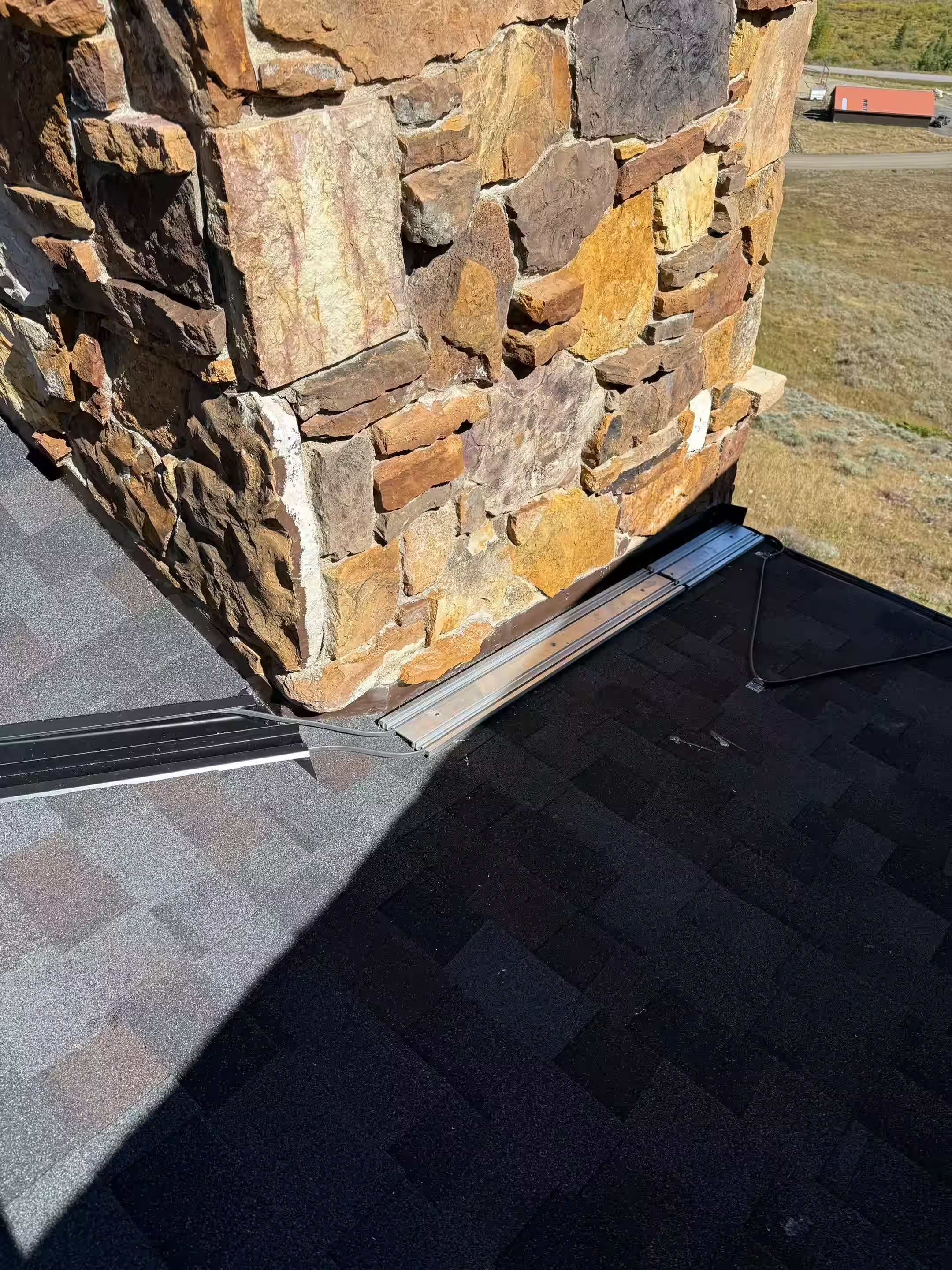
Ventilation + Heat Cables = Full System Protection
Supporting Ice Dam Reduction as a System
Attic ventilation plays a major role in managing ice dam risk by helping regulate roof temperatures and reduce uneven melting from above.
In homes where ice dams persist due to roof design, exposure, or snow load, pairing ventilation with a well-engineered heat cable system can help manage meltwater more effectively during freeze–thaw cycles.
For a broader explanation of how these systems work together, visit our Ice Dam Prevention page.
Benefits of Professional Installation
System design and installation quality matter as much as the product itself. A properly installed heat cable system should account for roof layout, electrical requirements, and long-term durability. Because design and coverage vary widely by roof, heat cable costs can range significantly. Our Heat Cable System Price Guide explains what typically affects pricing, including layout, roof complexity, and electrical requirements.
Targeted coverage at roof edges, valleys, sidewalls, and gutters
Every foot of cable is placed with purpose, not just looped through gutters and called done.
Energy-efficient performance using self-regulating technology
Self-regulating cables draw only the power needed at any given temperature, reducing operating costs significantly vs. constant-wattage systems.
Electrical installation that meets safety and code requirements
Licensed electricians handle all wiring. GFCI-protected circuits, properly rated conduit, and code-compliant connections throughout.
A layout designed for reliability in Colorado winter conditions
Colorado's freeze-thaw cycles, heavy snowpack, and sudden temperature swings demand layouts built for the specific exposure your home faces.
A complete installation typically includes a full layout, self-regulating cable coverage, and code-compliant electrical work.
Long-Term Ice Dam Management
Short-term fixes often address symptoms without reducing overall risk. A system-based approach looks at how ventilation, insulation, roof design, and heat cables interact over time.
When these elements are evaluated together, ice dam risk can be reduced significantly, even though no system can eliminate the possibility entirely under extreme or prolonged conditions.
Attic Ventilation Review
Insulation Assessment
Roof Design Evaluation
Heat Cable Sizing
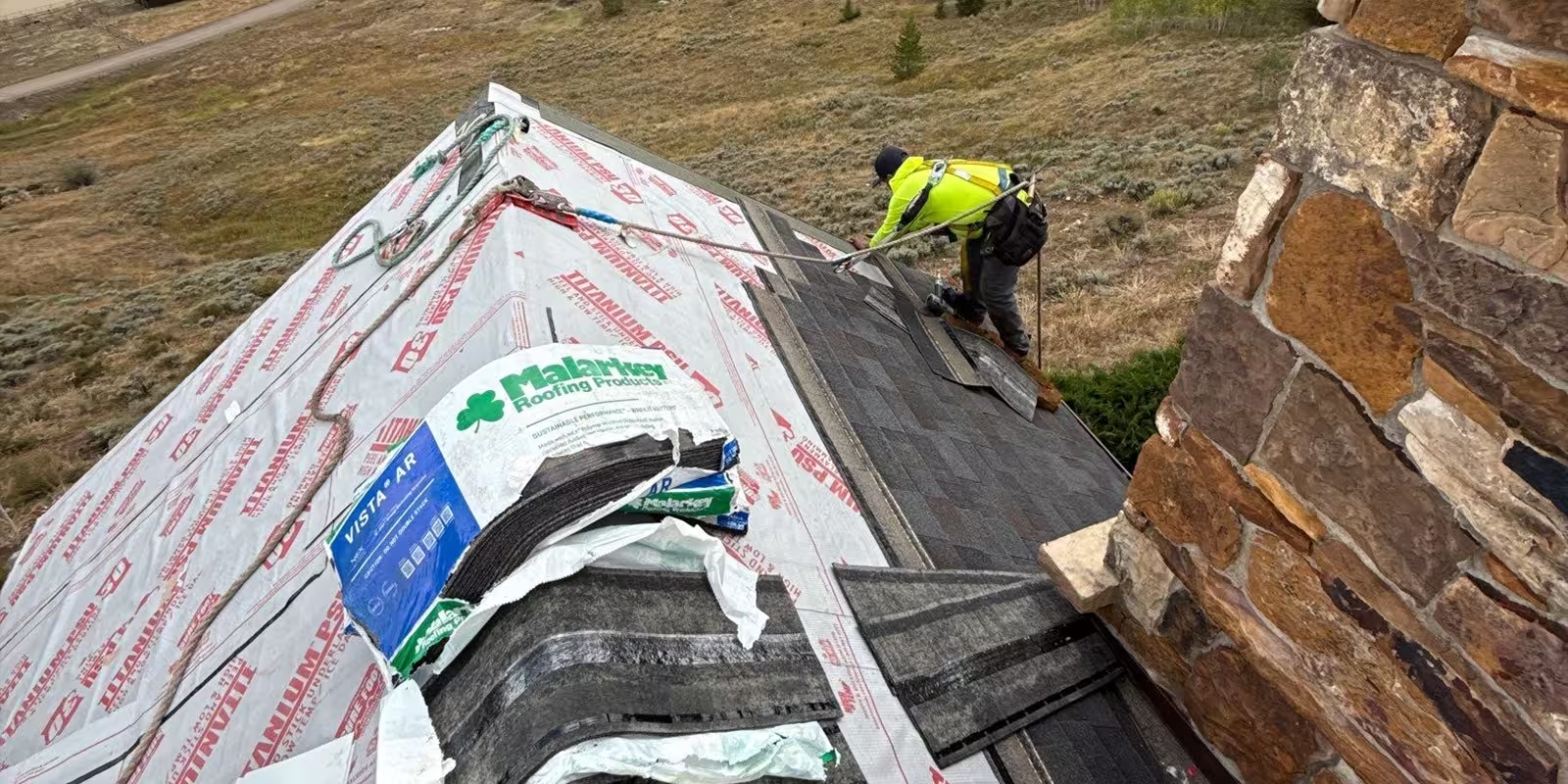
"No two roofs are identical, which is why every layout starts with an assessment."
Ready to Talk Through Your Ice Dam Concerns?
Not every home needs heat cables, and not every ice dam issue is solved the same way. A proper evaluation looks at roof design, attic conditions, insulation, ventilation, and where ice typically forms.
Want to review your roof and understand what's contributing to ice dams, what options exist, and what approach makes the most sense for your home?
Schedule a ConsultationDon't Take Our Word For It
“Eric and his outstanding team @ Pak Roof did a great job helping us resolve our gutter flashing and heat tape problems! Eric put us on his schedule promptly and identified the issues, then, working with the best resources, got the project done in short order. Everyone involved was professional, timely and easy to communicate with. They took and shared photos, and after the installation, even gave us an in-person tutorial of how the much improved heat-tape and thermostat works. Hard to imagine these days, but doing business with them was actually a pleasure!”

Debby Larson
Verified Google Review“Eric at Pakroofs stepped in and pulled me out of a frustrating situation I found myself in an untrustworthy public adjuster firm. From our first conversation, he brought clarity, professionalism, and a genuine willingness to help. His roofing team was nothing short of outstanding—true professionals who completed the entire roofing job in just one day, with minimal disruption and impressive attention to detail. What stood out to me most was the way Pakroofs handled every part of the process: they were responsive, reliable, and communicated clearly about potential challenges.”

Shihan Qu
Verified Google Review“Tyler was super easy to work with and helped us understand our options when it came to replacing our roof following hail damage. He worked closely with our insurance to ensure everything was handled properly. He also helped with key upgrades like class 4 shingles and proper roof venting to help keep our upstairs cooler in the summer!”

Katie Barends
Verified Google ReviewHeat Cable System FAQs, Colorado
Straight answers to the questions Colorado homeowners ask most about heat cable systems.
Have a specific question about your home?
Schedule a Consultation
Find Out What Your Project Will Cost
Schedule a consultation to discuss your project. No obligation, no pressure.