


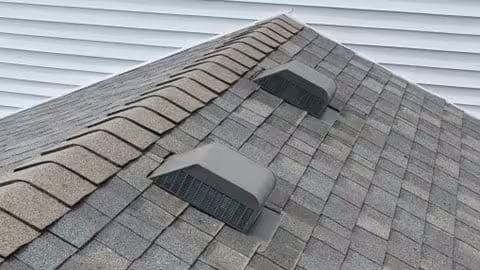
Attic Ventilation
Done Right.
Most homeowners aren't aware how much attic ventilation affects roof performance, energy efficiency, and long-term durability. In Colorado, ventilation is often installed using general rules of thumb that don't fully account for roof design, climate conditions, or airflow balance.
When ventilation isn't evaluated as part of a roofing system, issues like premature shingle wear, ice dams, moisture buildup, and comfort problems become more likely. That's why ventilation should be considered intentionally, not added as an afterthought.
Why Proper Ventilation Matters
Balanced attic ventilation does more than manage heat or condensation. It plays a direct role in how well your roof performs and how your home handles Colorado's seasonal extremes.
When ventilation is designed correctly, it can:
Extend Roof Life
Reducing trapped heat and moisture under the deck prevents premature shingle degradation and structural decay from inside out.
Reduce Ice Dam Risk
Consistent roof temperatures prevent the melt-refreeze cycle at eaves that drives ice dam formation and subsequent water infiltration.
Prevent Shingle Curling
Attic heat that exceeds shingle manufacturer specs voids warranties and causes curling, cupping, and cracking, all from below.
Improve Indoor Comfort
A properly ventilated attic reduces radiant heat transfer into living spaces, lowering cooling loads and relieving HVAC strain in summer.
Protect Insulation & Framing
Moisture that condenses in an under-ventilated attic saturates insulation and rots framing, damage that often goes undetected for years.
Critical in Colorado's Climate
In mountain and Front Range climates where temperature swings are extreme, proper ventilation isn't optional. It's essential to roof longevity.
Because ventilation affects roof performance, energy efficiency, and moisture control, it should always be evaluated as part of roof replacement, not treated as a separate upgrade.
Schedule a ConsultationHow It Works
A properly ventilated attic relies on one core principle: balance.
Fresh air enters through intake vents, typically located near roof eaves, and exits through exhaust vents closer to the ridge. This movement allows heat and moisture to escape before they can accumulate and cause damage.
For the system to work, the amount of air coming in must be balanced with the amount of air going out. That balance is calculated based on attic square footage and roof design. Each vent type, ridge, box, soffit, or gable, moves a specific volume of air. Using the wrong mix or quantities can disrupt airflow and reduce the system's effectiveness.
Located at soffits and eaves, where cool outside air enters the attic.
Located at or near the ridge, where warm, moisture-laden air exits.
1 sq. ft. of NFA per 300 sq. ft. of attic floor, the minimum required by code.
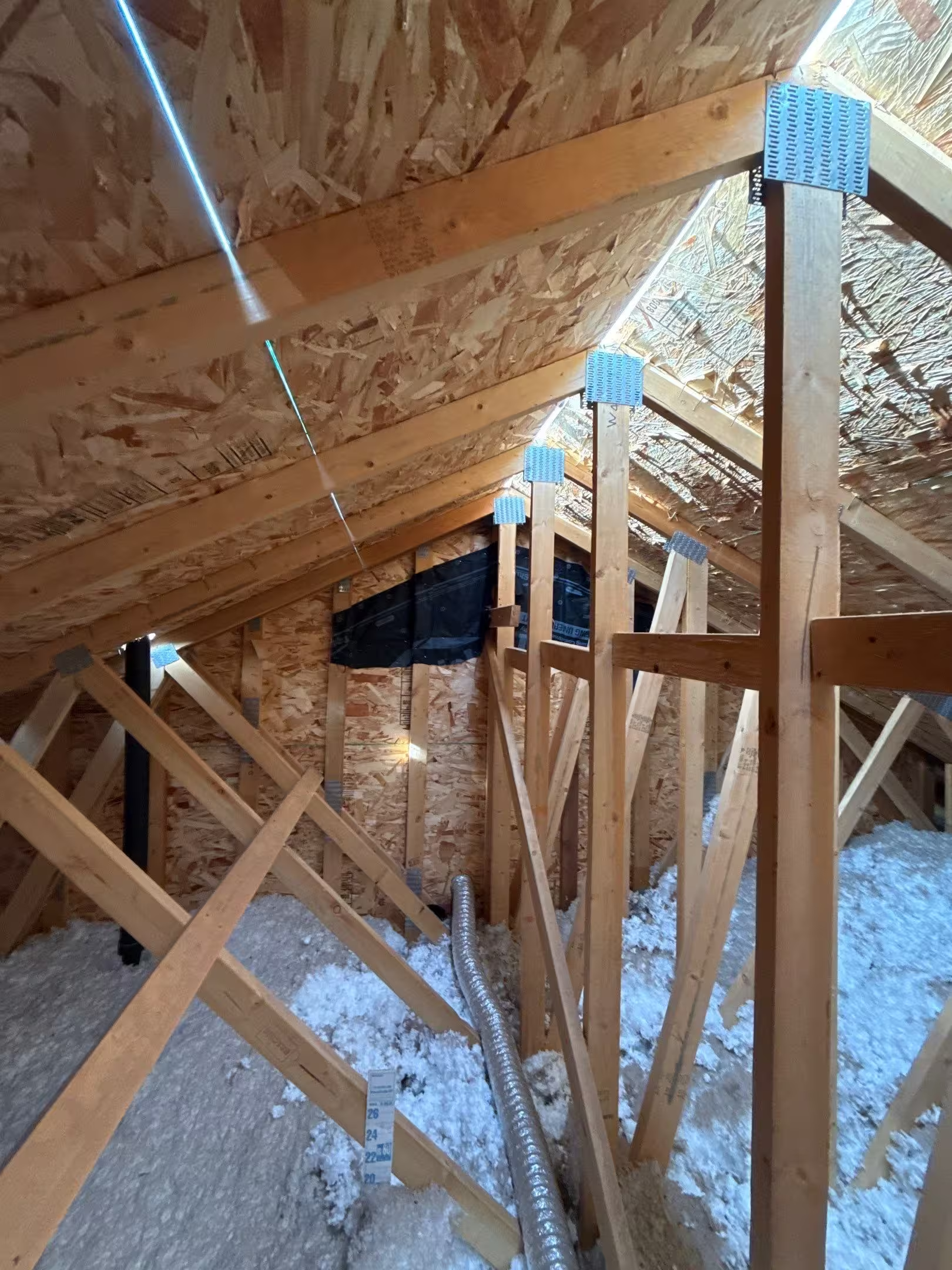
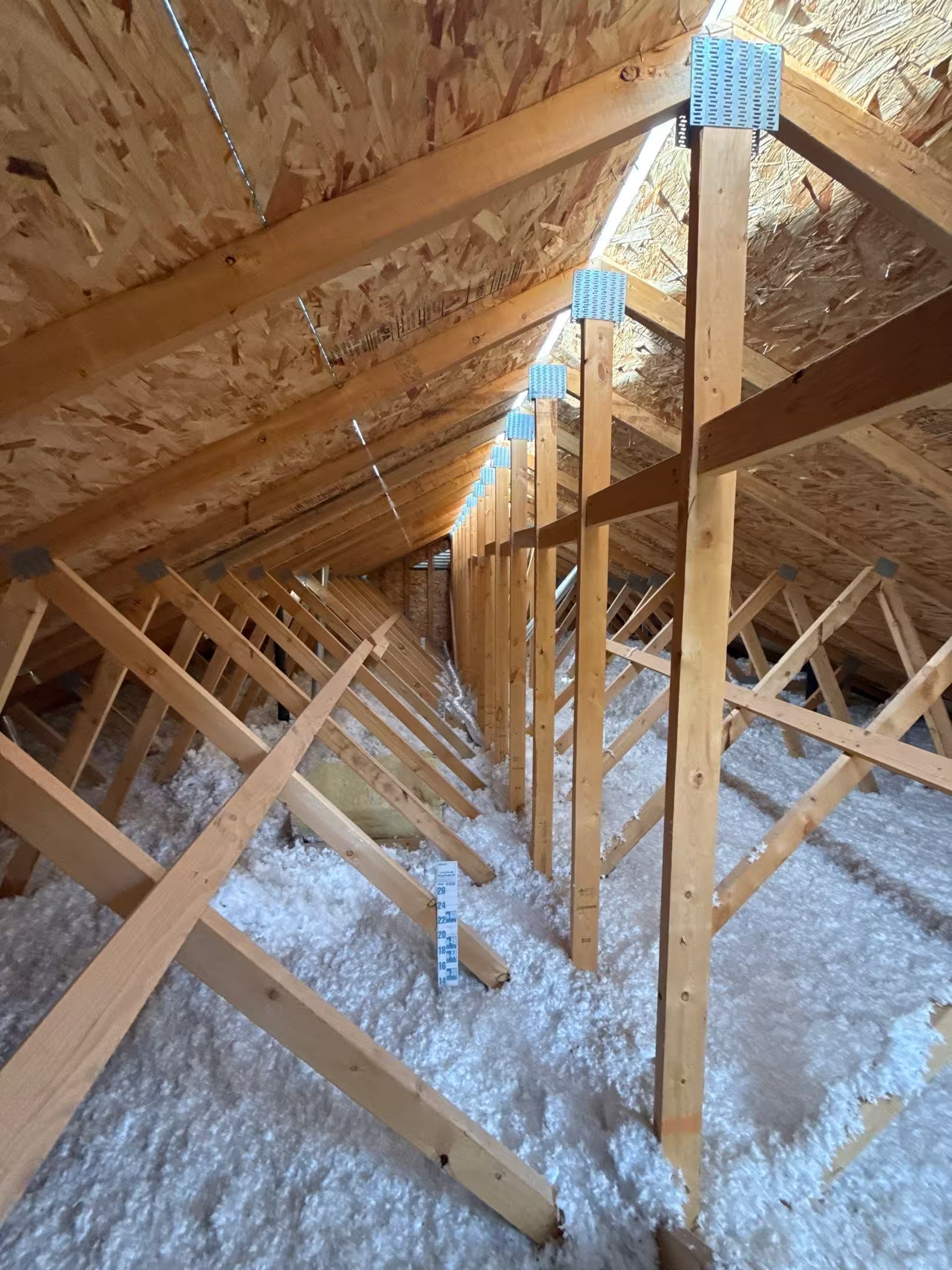
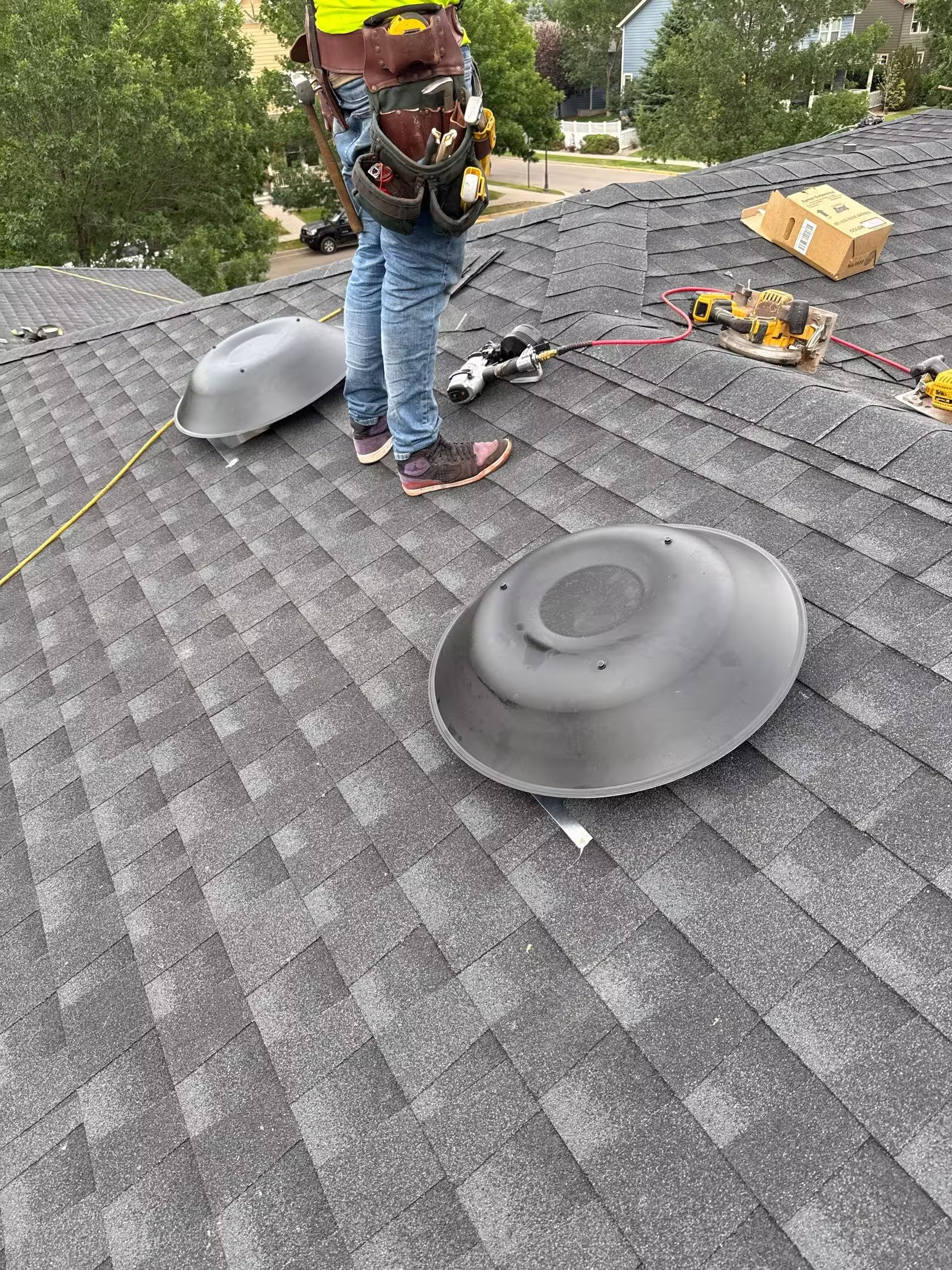

How Ventilation Is Designed and Verified
Proper attic ventilation isn't something that can be guessed or standardized across homes. It's designed in two stages.
Design Stage: Measurements & Assessment
The first stage happens during planning. Roof measurements are used to calculate intake and exhaust requirements based on attic square footage, roof geometry, and vent performance ratings. This determines how much airflow is needed and what types of vents make sense on paper.
Verification Stage: On-Site Confirmation
The second stage happens on site, once work begins. Attic spaces are physically verified to confirm layout, obstructions, and airflow paths. Some homes have multiple attic sections that are not connected, which means each space must be ventilated independently. Adjustments are made in real time to ensure the design matches how the house actually functions.
This two-step approach helps prevent common issues that occur when ventilation is designed only from measurements or only from visual assumptions.
Designing Ventilation as Part of the Roofing System
Proper ventilation starts with calculation, not guesswork.
A correct design considers intake, exhaust, attic volume, and roof geometry together. In some homes, that means adding intake. In others, it means adjusting exhaust or replacing products that don't move air effectively within the existing roof design.
Ventilation may not be the most visible part of a roof, but when it's designed correctly, it quietly protects the structure, materials, and comfort of the home every day.
1:300
Minimum NFA ratio required by code
50%
Of NFA must come from intake
Up to 2x
Longer shingle life with proper ventilation
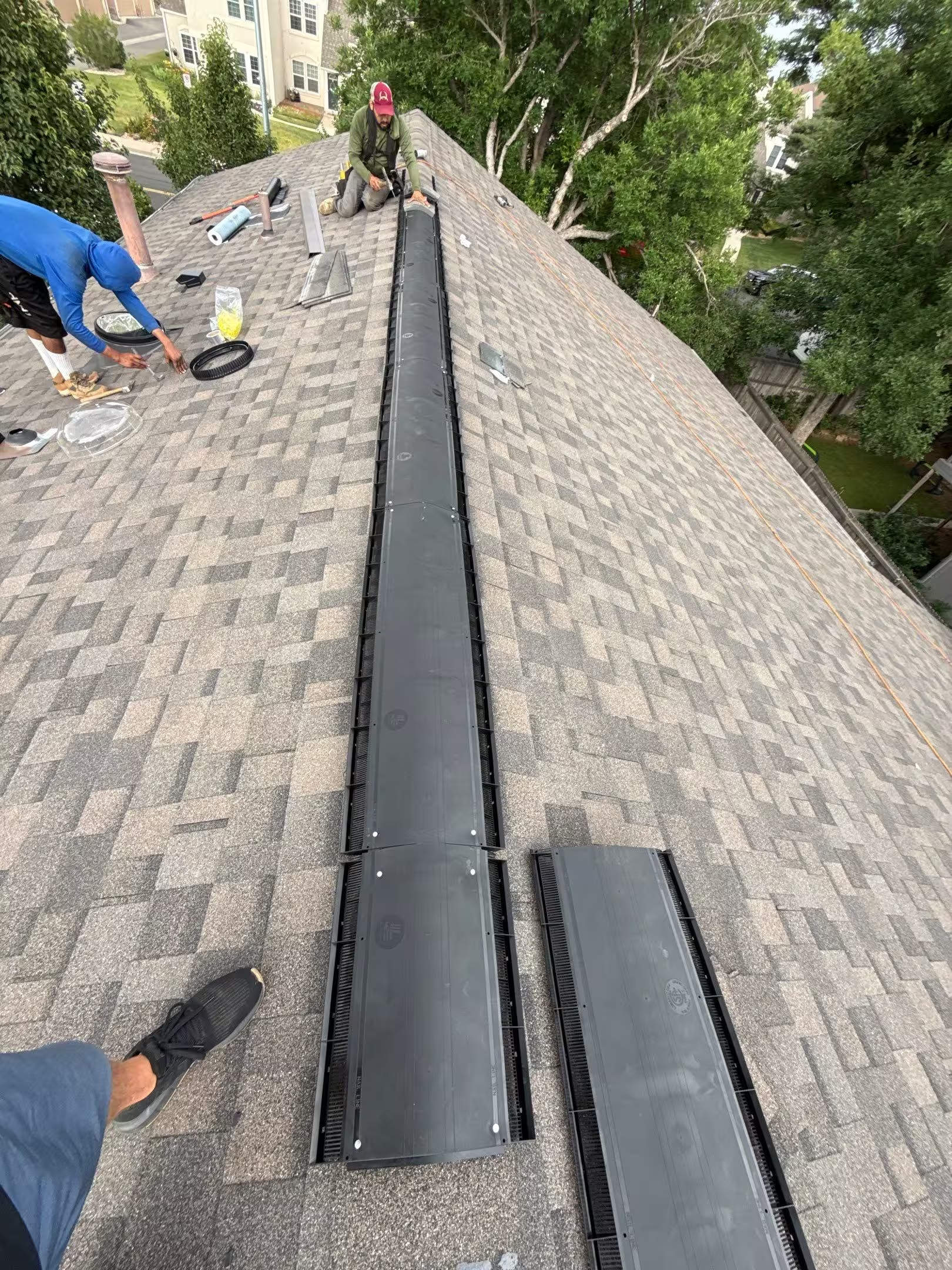
Learn More About Attic Ventilation
For homeowners who want a deeper understanding of how attic ventilation works and how common issues arise, our Attic Ventilation Guide breaks the topic down step by step.
Recommended Reading
- How to Tell If a Roofer Actually Understands Attic Ventilation
- The Most Common Attic Ventilation Mistakes Roofers Make, and Why They Sometimes Make Things Worse
- How Poor Attic Ventilation Causes Condensation, Mold, and Rot
- How Proper Attic Ventilation Extends the Life of Your Roof and Exterior Products
These resources are designed to help you recognize what proper ventilation looks like and what questions are worth asking during a roof replacement.
Browse All Articles
How to Tell If a Roofer Actually Understands Attic Ventilation

The Most Common Attic Ventilation Mistakes Roofers Make, and Why They Sometimes Make Things Worse
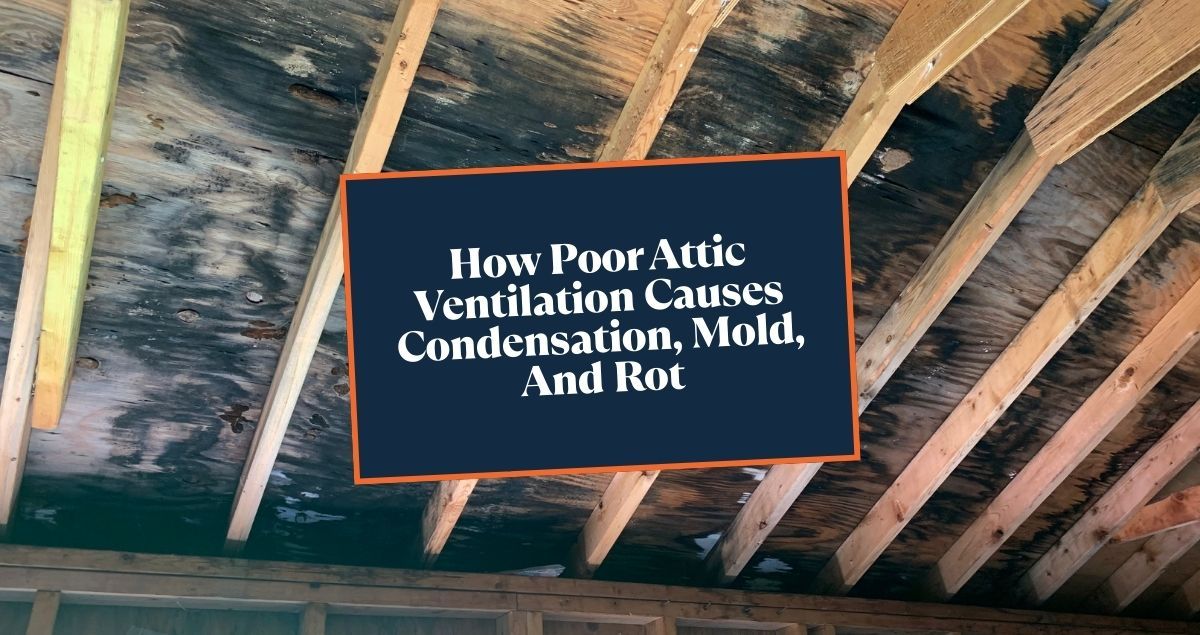
How Poor Attic Ventilation Causes Condensation, Mold, and Rot
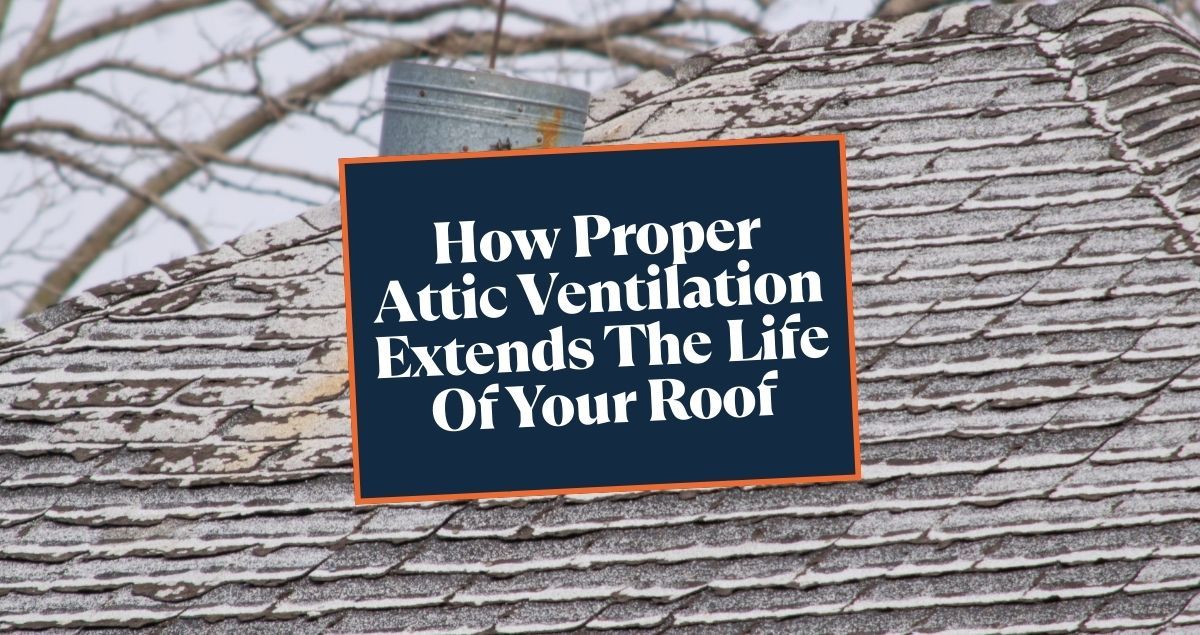
How Proper Attic Ventilation Extends the Life of Your Roof and Exterior Products
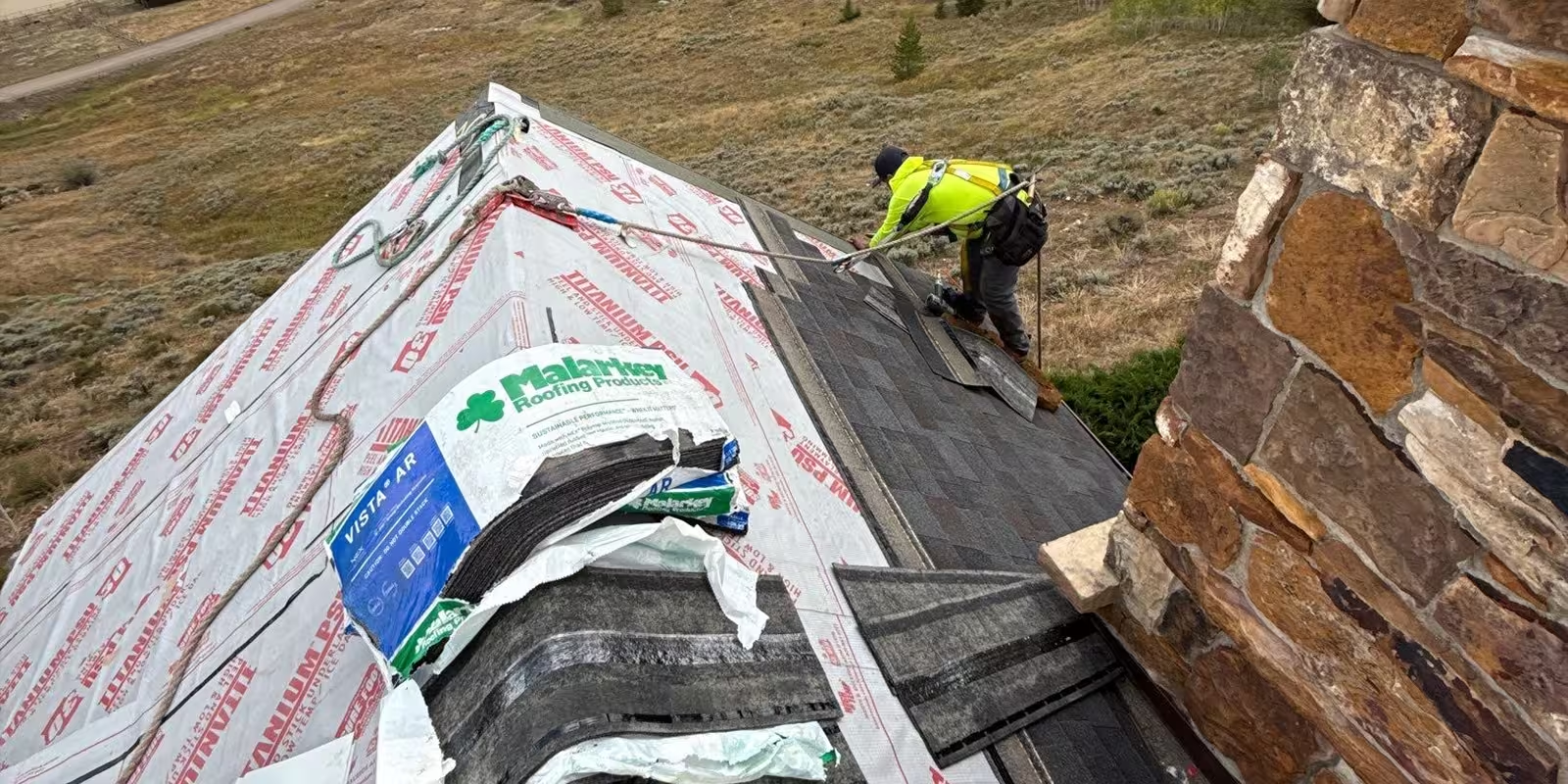
Want to Understand How Your Attic Is Ventilated?
If you're unsure whether your attic ventilation is properly designed, you're not alone. Many systems were installed without a full evaluation of airflow balance.
A proper assessment looks at how air enters, how it exits, and how it actually moves through your attic. Understanding that system can help you make better decisions about roof replacement, energy efficiency, and long-term performance.
Don't Take Our Word For It
“Eric and his outstanding team @ Pak Roof did a great job helping us resolve our gutter flashing and heat tape problems! Eric put us on his schedule promptly and identified the issues, then, working with the best resources, got the project done in short order. Everyone involved was professional, timely and easy to communicate with. They took and shared photos, and after the installation, even gave us an in-person tutorial of how the much improved heat-tape and thermostat works. Hard to imagine these days, but doing business with them was actually a pleasure!”

Debby Larson
Verified Google Review“Eric at Pakroofs stepped in and pulled me out of a frustrating situation I found myself in an untrustworthy public adjuster firm. From our first conversation, he brought clarity, professionalism, and a genuine willingness to help. His roofing team was nothing short of outstanding—true professionals who completed the entire roofing job in just one day, with minimal disruption and impressive attention to detail. What stood out to me most was the way Pakroofs handled every part of the process: they were responsive, reliable, and communicated clearly about potential challenges.”

Shihan Qu
Verified Google Review“Tyler was super easy to work with and helped us understand our options when it came to replacing our roof following hail damage. He worked closely with our insurance to ensure everything was handled properly. He also helped with key upgrades like class 4 shingles and proper roof venting to help keep our upstairs cooler in the summer!”

Katie Barends
Verified Google ReviewAttic Ventilation FAQs, Colorado
Straight answers to the questions Colorado homeowners ask most about attic ventilation.
Have a specific question about your home?
Schedule a Consultation
Find Out What Your Project Will Cost
Schedule a consultation to discuss your project. No obligation, no pressure.