




Once storm damage has been properly identified and you understand how your insurance policy contract applies to that damage, the next step is assembling clear, organized documentation that explains what was found, how it was evaluated, and why certain repairs or replacement may be required.
At Pak Exteriors, we refer to this documentation as an evidence package. While the term itself is not commonly used by insurance companies, the process behind it is a critical part of a high-quality, transparent hail damage assessment.
A high-quality contractor should be providing this level of documentation as part of a thorough inspection process. When done correctly, it helps the insurance claim process move more smoothly by reducing guesswork, clarifying scope, and keeping everyone aligned.
If you have not already read How to Know If Your Roof or Siding Has Hail or Wind Damage Likely to Be Covered by Insurance and Understanding Your Insurance Policy Before Filing a Hail or Wind Claim, those articles should come first. This documentation only works when damage and coverage basics are already understood.
What We Mean by “Hail Damage Documentation”
When we talk about hail damage documentation, we are not talking about a handful of photos or a quick summary.
What we call an evidence package is a structured summary of documented findings that clearly explains:
- What damage exists.
- Where it exists.
- How it was evaluated.
- Why certain repairs are or are not appropriate.
It is not an argument about coverage. It does not interpret your insurance policy. It does not replace the insurance adjuster’s inspection.
Its purpose is to remove guesswork and make the condition of the property clear to everyone involved.
Why Thorough Documentation Matters
When storm damage documentation is vague or incomplete, insurance claims tend to slow down.
High-quality documentation:
- Clearly shows the scope of damage.
- Explains how conclusions were reached.
- Demonstrates whether damage is isolated or widespread.
- Connects physical findings to a documented storm event.
When documentation is thorough and transparent, claims tend to move forward with fewer delays and fewer disputes.
What Proper Hail Damage Documentation Actually Includes
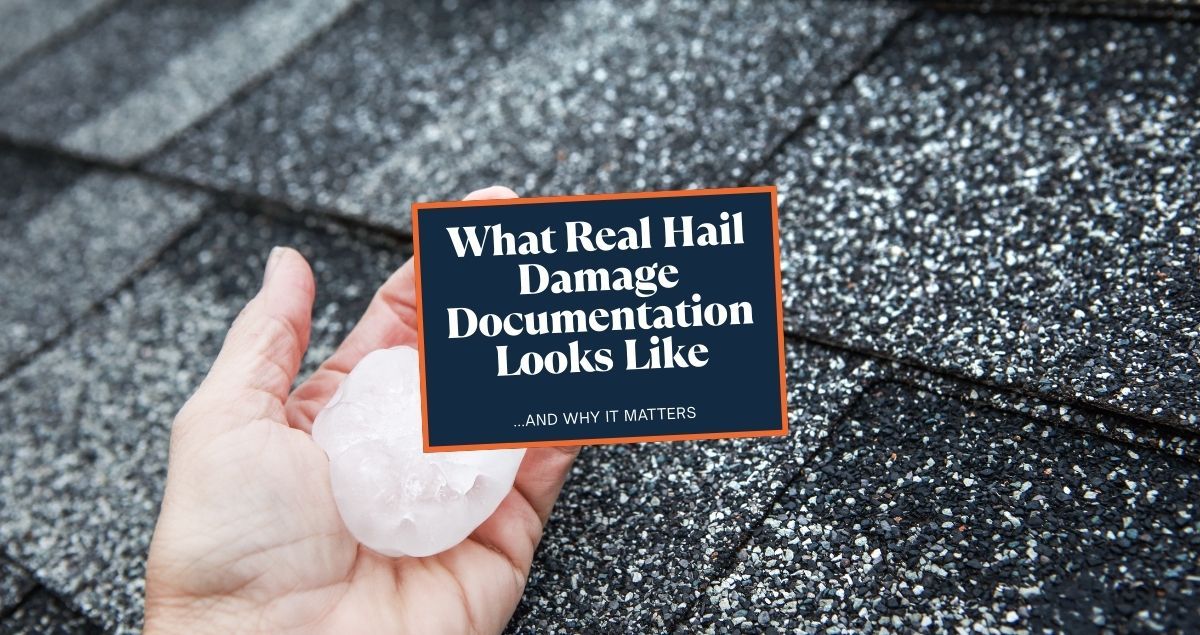
Real hail damage documentation typically spans eight to ten pages or more, supported by a full photo report that often contains hundreds of images when real damage exists.
1. Summary of Findings
Documentation should begin with a clear, plain-language summary outlining:
- The roof systems and materials inspected.
- The general age and condition of those systems.
- The nature and extent of observed storm damage.
- Whether damage appears isolated or widespread.
This allows homeowners to understand the conclusions before reviewing technical detail.
We hold Xactimate Level 1 and Level 2 certification, the software your adjuster uses to convert that documentation into a dollar amount. That means our documentation is structured to speak the same language the adjuster's scope is written in.
2. Full-Property Inspection Coverage
A proper inspection adapts to the home and to safety constraints.
Depending on roof design, this may include:
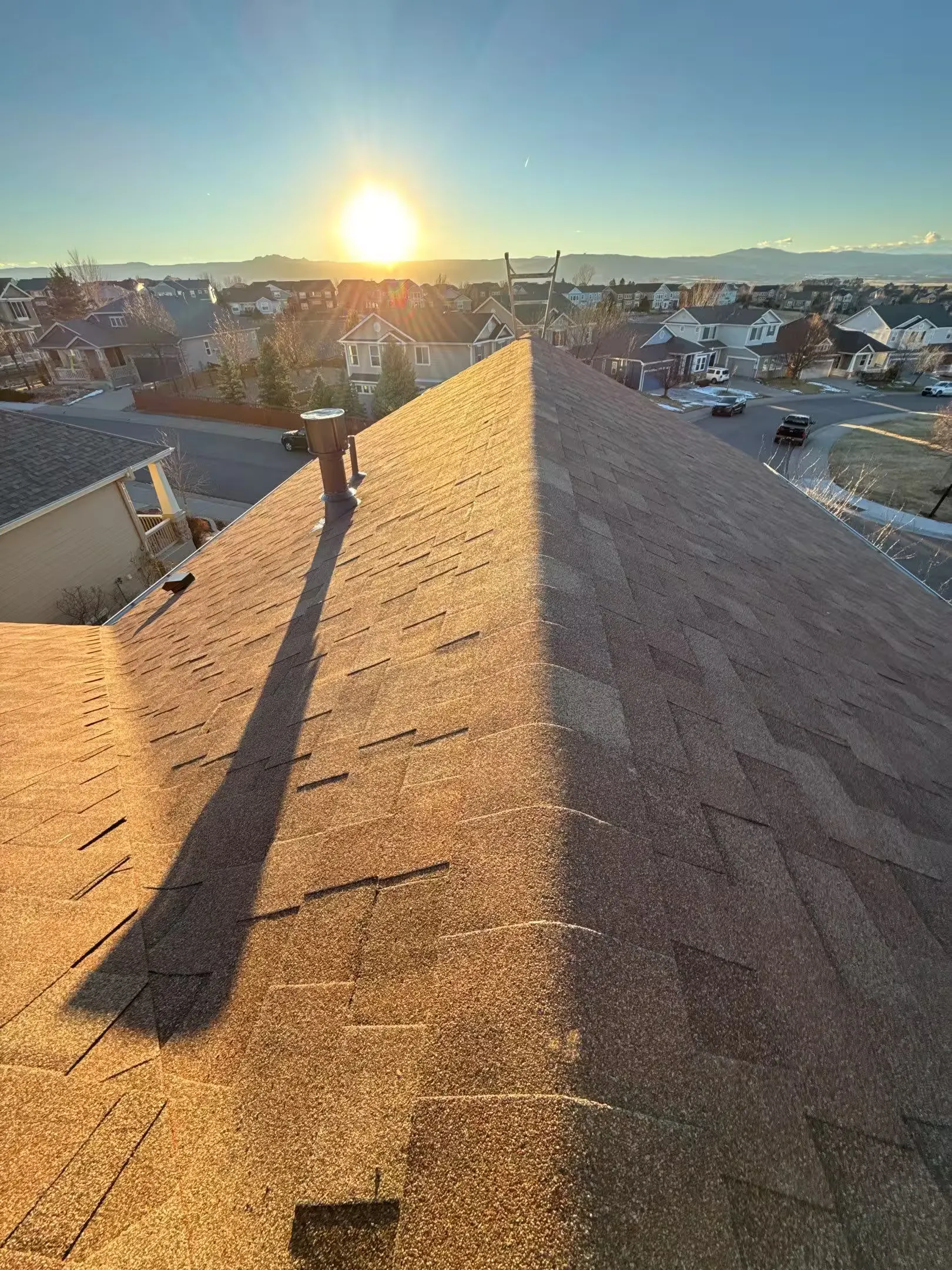
- Walking safely accessible roof slopes.
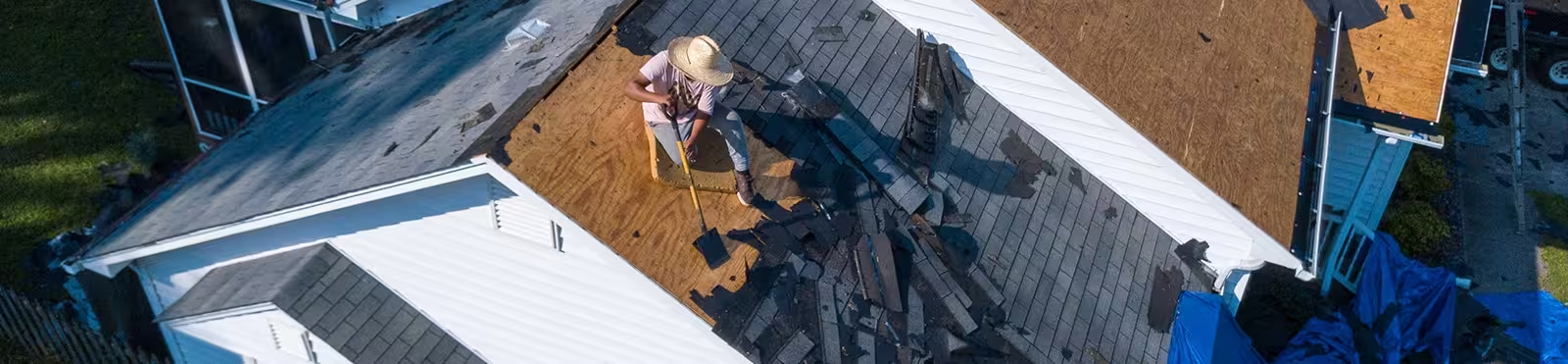
- Using drones for steep, high, or unsafe areas.
- Conducting detailed evaluations from ladder access points when slopes cannot be walked.
The objective is not to physically walk every slope. It is to evaluate every slope and system using the safest and most appropriate method available.
3. Quantified Damage Documentation
Rather than vague statements, damage is documented and quantified.
This may include:
- Test squares used to measure impact density.
- Individual slopes evaluated separately.
- Identification of whether damage is limited or systemic.
When dozens of impacts are documented across multiple slopes, this establishes widespread storm damage rather than isolated issues.
4. Flat Roof and Concealed Damage Evaluation
Flat roofing systems require special handling.
Storm damage is often found beneath the membrane, not always on the surface. Proper documentation may include destructive testing to evaluate:
- Cover board denting or crushing.
- Adhesion loss between layers.
- Subsurface bruising or material failure.
This type of damage cannot be reliably spot repaired and must be documented carefully.
5. Collateral and Soft Metal Damage
Roof damage does not occur in isolation.
Complete documentation includes collateral damage when present, such as:
- Vents and flashing.
- Gutters and downspouts.
- Parapet or edge metal.
- Air conditioning units, grills, playground equipment, or other impacted items.
These indicators help corroborate storm intensity and direction.
6. Material-Specific Explanations
Hail and wind damage present differently depending on the material.
Strong documentation explains:
- What storm damage looks like on asphalt shingles.
- How metal, tile, and wood systems respond differently.
- Why flat roofing damage may be concealed.
- How functional damage differs from cosmetic wear.
These explanations are often supported by references to third-party industry authorities, keeping conclusions grounded in documented standards rather than opinion.
7. Repairability and System Integrity
Documentation explains why repair is or is not appropriate, not just what was damaged.
Common conclusions include:
- Impact density exceeding repair thresholds.
- Concealed damage that cannot be isolated.
- Adhesion failure that compromises system performance.
This logic is critical when full replacement is warranted.
8. Transparent Scope of Work and Pricing
Proper documentation includes:
- A clearly defined scope of work.
- Repairs or replacement tied directly to documented damage.
- A transparent contract price.
Homeowners should review and understand this scope before it is shared.
9. Link to the Full Photo Report
Because documentation summarizes findings, it typically includes a link to the complete photo report, which may contain hundreds of labeled images documenting each finding referenced in the summary.
The Homeowner’s Role
What homeowners should expect from real hail damage documentation is:
- Transparency.
- Access to supporting photos and reports.
- Clear explanations.
- A scope of work that makes sense.
If it makes sense to you as the homeowner, it will usually make sense to the insurance carrier.
Red Flags to Watch For
Be cautious if:
- Documentation is withheld or minimized.
- You are asked to sign open-ended or insurance-proceeds contracts.
- The scope of work is vague or undefined.
- You are discouraged from being involved.
High-quality documentation should always be homeowner-facing.
What Comes Next in the Series
Once damage is documented, coverage is understood, and proper documentation is prepared, the final piece is understanding your role during the claim itself.
The next article will explain how homeowner involvement keeps claims efficient, lawful, and transparent, and why being told “we’ll handle everything for you” is often a red flag.
Final Thoughts
Insurance claims are supported by documentation, not pressure.
What we refer to as an evidence package exists to clarify reality, not to force an outcome. When damage, coverage, and documentation are handled correctly, the insurance claims process is often far smoother than homeowners expect.
Disclosure:
The information provided in this article is for general educational purposes only and is not intended as legal advice, insurance advice, or public adjusting services. Insurance policies are contracts between the homeowner and the insurance carrier, and coverage determinations are made solely by the carrier based on the terms of the policy. Homeowners should consult their insurance agent, insurance carrier, or legal counsel with specific questions regarding coverage or claims. Contractors do not interpret policy language or determine coverage.