

Choosing the right roof type is one of the most important decisions a homeowner can make, yet it is also one of the most confusing. With so many materials, performance claims, and price ranges, it can be difficult to know what actually makes sense for your home in Colorado.
The best roof for your home depends on a combination of factors, including home type, architectural style, location, weather exposure, snow and hail risk, and budget. In this guide, we walk through how those factors interact and how to think about selecting the right roofing system for your specific situation.
If you want a faster, more personalized starting point, our Roof Selector Quiz can help identify the most likely best roof types for your home in under two minutes. From there, you can use our Instant Estimator to see what those specific roof types would likely cost for your specific home, not a general average. You can also take the quiz multiple times to explore different scenarios and priorities.
TLDR: The best roof material balances cost, durability, aesthetics, and your home's specific conditions. Consider Colorado's climate, your roof's pitch, and long-term value when comparing options.
Home Type and Roof Structure Matter
The type of home you have sets the baseline for what roofing systems make sense.
A simple, single-story ranch with a straightforward roofline can accommodate a wide range of materials, including architectural asphalt shingles, stone-coated steel, standing seam metal, and certain synthetic systems. These homes are typically easier to access, safer to work on, and more forgiving from an installation standpoint.
Multi-story homes with steep pitches, dormers, and complex transitions narrow the list of practical options. While many materials are still technically possible, installation complexity and labor cost increase significantly, which can make some systems less attractive once budget and long-term performance are considered.
Architecture and Aesthetics Play a Role
Roofing is not purely functional. It is also one of the most visible architectural elements of a home.
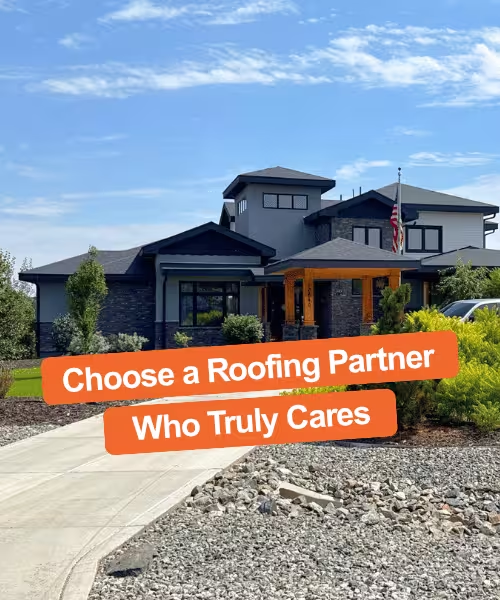
Traditional and transitional homes often pair well with architectural asphalt shingles or stone-coated steel systems that mimic shake or tile profiles. Modern homes frequently look best with clean-line materials like standing seam metal. Mountain and alpine architecture tends to favor materials that complement natural surroundings while performing well under snow load.
Choosing a roof that aligns with the home’s architecture helps preserve curb appeal and, in many cases, resale value.
Location in Colorado Changes Everything
Where your home is located in Colorado has a major impact on what roof type is appropriate.
Front Range homes are more exposed to hail and temperature swings. Mountain and high-elevation homes deal with heavier snow loads, prolonged snow cover, higher UV exposure, and stricter insurance and fire-rating requirements.
Mountain areas commonly include regions such as Summit County, Eagle County, Pitkin County, Routt County, Grand County, Park County, Lake County, and other high-elevation or wildland-urban interface areas. Roofing systems that work well in metro areas may not perform the same way in these environments.
Snow Loads and Mountain Performance
Snow management is one of the most important considerations for mountain homes.
Some roofing systems shed snow aggressively, while others retain it. Neither approach is inherently good or bad. What matters is controlled performance.
Stone-coated steel systems, such as those manufactured by Unified Steel, are often selected in mountain environments because they strike a balance between snow retention and snow release. The stone-coated surface creates friction that helps hold snow in place, reducing sudden slides, while allowing snow to melt and release gradually.
When installed correctly, these systems can also function as a cool roof and create energy-efficient seams, helping manage heat transfer during extreme temperature swings common at elevation. This combination makes stone-coated steel a strong long-term option for many mountain homes.
Hail Resistance Is a Key Factor
Hail is one of the most common causes of roof damage in Colorado.
Architectural asphalt shingles remain the most common roofing material statewide, and impact-resistant architectural shingles can perform well in hail-prone areas. Stone-coated steel and certain metal systems also offer strong hail performance, though at a higher upfront cost.
Material choice here is a major cost driver, but it is also a long-term risk management decision.
Other Weather Conditions to Consider
Beyond snow and hail, Colorado roofs must handle:
- Intense UV exposure
- High winds
- Rapid temperature changes
- Freeze-thaw cycles
Materials that perform well in these conditions often cost more initially but tend to last longer and perform more predictably over time.
Budget and Cost Drivers
Budget always plays a role, and roofing material selection is one of the biggest cost drivers.
Architectural asphalt shingles are typically the most cost-effective option and commonly exceed $650 per square installed in Colorado, depending on complexity and location. Stone-coated steel, standing seam metal, and synthetic systems increase cost per square but offer longer service life, improved durability, or enhanced aesthetics.
The best roof is rarely the cheapest option. It is the one that balances upfront cost with performance, longevity, and insurability.
The Roof Selector Quiz helps homeowners narrow down which roof types are most likely to make sense. From there, homeowners can take the next step and use our Instant Estimator to see a price range for that specific roof type based on their actual home, not a generic average. This allows homeowners to move from general guidance to personalized pricing without scheduling an appointment.
Insurance and Fire Rating Considerations
Insurance requirements increasingly influence roof selection, especially in mountain and fire-prone areas.
Many insurers reduce or restrict coverage on older roofs, and in high-risk fire zones, Class A fire-rated roofing is often required. Stone-coated steel systems like Unified Steel commonly meet these requirements when properly installed, making them attractive options for maintaining insurability.
There Is No One-Size-Fits-All Answer
The best roof type for your home depends on how all of these factors come together. Two homes with similar square footage can have very different optimal roof systems based on location, design, and long-term goals.
That is why generalized advice often falls short.
Using Tools to Move From Options to Pricing
Many homeowners want guidance before committing to inspections or estimates. Using the Roof Selector Quiz first helps identify the most likely best roof types for your home based on structure, location, weather, and priorities.
Once those options are identified, the Instant Estimator allows homeowners to see what those specific roof types would likely cost for their specific home. This combination helps homeowners make informed decisions without relying on guesswork or broad national averages.
The best material recommendation for your home comes from a contractor who can actually compare options across manufacturers rather than defaulting to the brand they’re most committed to. We hold certifications across seven manufacturers, which means the recommendation follows your roof, not our purchase history.
Final Thoughts
Choosing the right roof is not about finding a universal best material. It is about finding the best match for your home, your environment, and your priorities.
By considering home type, architecture, location, weather exposure, and budget together, homeowners can make more confident decisions and avoid costly mistakes.
If you want a clear starting point, the Roof Selector Quiz followed by the Instant Estimator provides a simple path from education to personalized pricing. Clear information leads to better decisions, and better decisions lead to roofs that perform well for decades.