




Next Up: Why Higher Deductibles Are Changing How Homeowners Think About Claims
Related: Hail Resistance in Colorado Homes
TLDR: Colorado homeowners are seeing higher premiums, bigger deductibles, and in some cases coverage restrictions or outright non-renewals. It's not random. A combination of frequent hail, growing wildfire exposure, and rising rebuild costs has changed how insurance companies view Colorado properties. Understanding why it's happening helps you respond to it.
If your home insurance premium has gone up significantly in the last two or three years, you're not imagining it. Colorado homeowners across the state have been hit with rate increases, coverage restrictions, and in some cases non-renewals from carriers who have decided the state is too risky for their models.
This isn't a personal thing. It's a structural shift in how insurance companies are thinking about Colorado properties. Understanding why it's happening helps you make better decisions about your home.
What is actually driving insurance costs higher in Colorado?
There are a few forces pushing on the insurance market at the same time, and they're compounding each other.
Hail is the most consistent driver. Colorado regularly ranks among the top states in the country for hail claim frequency and severity. The Front Range corridor gets hit most years with storms that cause significant roof and siding damage across large portions of the metro area. Insurance companies pay billions in hail claims in Colorado over any given decade, and those numbers have been rising.
Wildfire is the other major factor. Colorado has seen some of the most destructive fires in its recorded history over the last decade. The Marshall Fire in 2021 was particularly significant because it burned through a dense suburban neighborhood, not a remote mountain community. It showed insurers that wildfire risk isn't limited to the rural areas they had been most focused on.
Then there's rebuilding cost. After supply chain disruptions, labor shortages, and general inflation in the construction industry, the cost to rebuild a home is meaningfully higher than it was five years ago. Even when insurers correctly modeled risk, the dollar exposure per claim increased substantially.
How are insurance companies responding to these risks?
Insurance carriers have several tools available when they decide a market is becoming unprofitable or too uncertain. Colorado homeowners are seeing most of them.
Premium increases are the most visible. In some zip codes, particularly in hail-prone areas along the Front Range or in wildland-urban interface zones, premiums have doubled or more in a short period of time.
Higher deductibles are another tool. Rather than eliminating coverage, carriers are shifting more of the financial responsibility to homeowners. Hail and wind deductibles that used to be flat dollar amounts are now often percentage-based, which pushes the out-of-pocket threshold significantly higher.
Some carriers have tightened underwriting standards, moving to actual cash value for roofing claims instead of replacement cost. And some carriers have simply left, reducing their exposure in Colorado or exiting the market entirely.
What does the insurance shift mean for you as a homeowner?
The shift in the insurance market changes the practical math of homeownership in Colorado.
Many homeowners are finding that moderate damage events no longer make economic sense to run through insurance. The claim amount barely clears the deductible, or filing increases their risk of non-renewal, or both. And when the adjuster's number comes back lower than expected, the gap between what you thought you'd recover and what you actually get can be frustrating.
→ Why the Insurance Estimate Is Almost Always Lower Than Your Contractor's Quote
That dynamic is one of the main reasons home hardening has become more relevant. If you can reduce how often damage occurs in the first place and reduce its severity when it does, you're in a better position across the board.
If I already have a claim open, what should I do?
If you're already dealing with a hail or wind claim, the process doesn't change based on when you started paying attention to it. There's a clear order of operations that applies whether you're at the beginning or already mid-claim, and staying involved as the homeowner is the single most important thing you can do.
→ Hail & Wind Insurance Claims: A Homeowner's Guide to Doing It Right
Is this situation going to get better?
Honestly, no one knows with certainty. Insurance markets go through cycles, and there are factors that could improve the situation, including better building standards, more accurate risk modeling, and possibly state-level regulatory changes.
What seems clear is that the trend toward higher homeowner responsibility is not reversing quickly. The practical response for most homeowners is to think more carefully about how their home is built and maintained, and to make upgrade decisions that account for long-term durability. That's essentially what home hardening asks you to do.
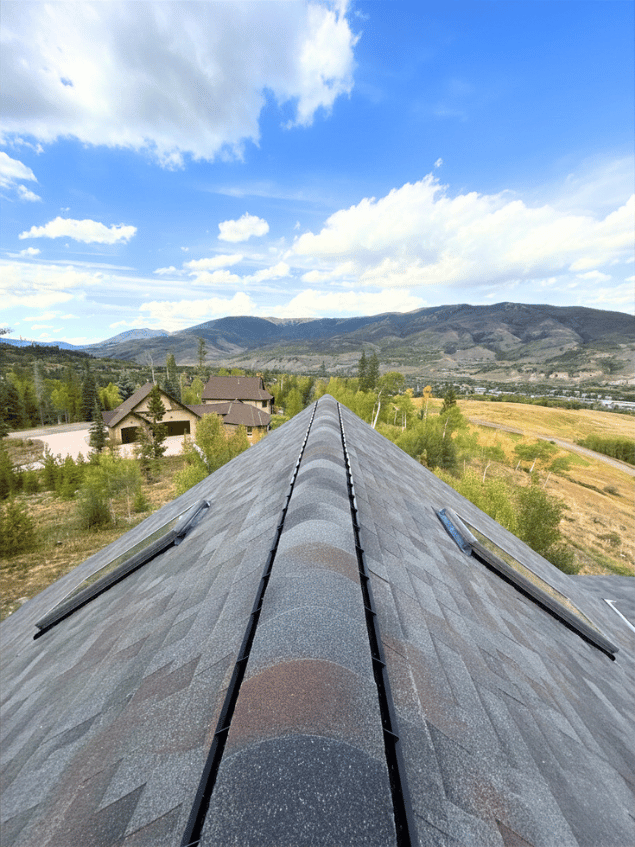
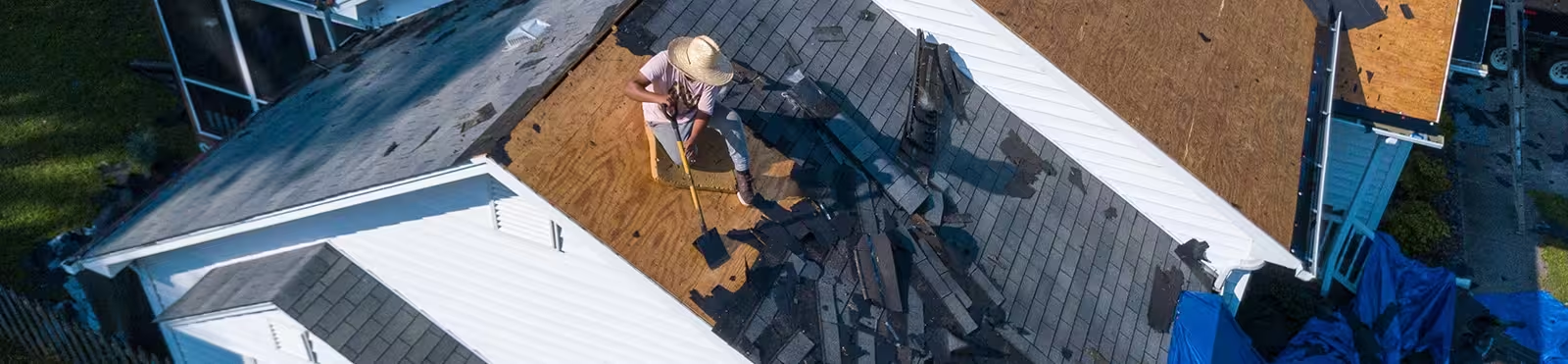
It's becoming increasingly common, particularly in mountain communities like Summit County, Eagle County, the Vail Valley, Grand County, and Pitkin County, to run into homeowners who can't renew their policy without replacing their roof first, or who find their coverage options significantly limited because of roof age or condition. That used to come up occasionally. Now we're seeing it regularly.
What should I read next?
The next piece in this series looks at deductibles specifically, how they work, why they've gotten so much larger, and how they change the way homeowners should think about filing claims. That's where the insurance story gets most personal for most people.
If you want to see how your home's risk profile stacks up across fire, hail, and materials right now, the Home Hardening Quiz takes about two minutes and gives you a personalized score.